Realistic AI People Prompts: Skin, Light, Eyes and Motion
By Daniel Riley · Published · Updated
In short: AI people look fake for a handful of repeatable reasons: airbrushed skin, light from nowhere, glowing eyes and bodies that never move. Realistic AI video comes from asking for the physical evidence real footage is full of instead: pores, a shrinking pupil, a bead of sweat with a cause, breathing and blinking. This page gives a realism block, a light block, person templates, macro prompts and a motion block, built on an interrogation-room scene.
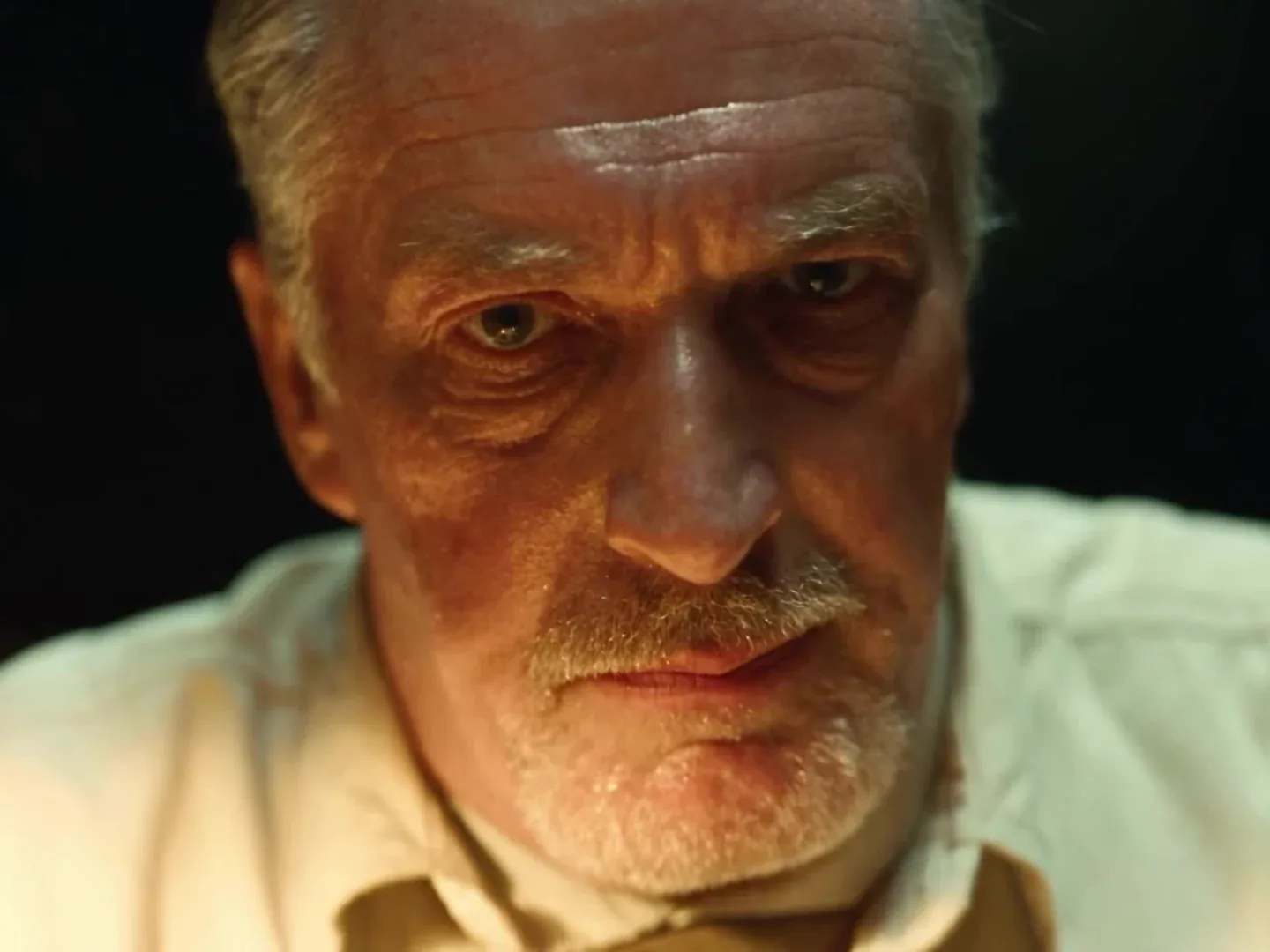
A still from the “AI Realism Playbook” reel.
Pictures for the video prompts here are stills made to match the described moment, not frames from a finished clip. Captions name the model used.
Real footage is full of small physical evidence: visible pores, a pupil that tightens in a bright lamp, sweat that runs because the room is hot, a chest that rises and falls. AI people tend to lack all of it, and every one of those details can be asked for in words.
The workflow is simple. Create each person and the empty location as separate stills on Realism Pro with the realism block at the end, zoom in to check skin, eyes and hands, then attach the stills as references in a video model such as Seedance 2.5. A waxy face in the still stays waxy in the video, so the checking step matters. Every video prompt also works on its own without references, but faces and rooms hold steadier when they start from approved stills.
Source post: The “AI Realism Playbook” reel on Instagram (@trypromptwise) · “AI Realism Playbook” on Facebook
Describe real skin, not “hyper-realism”
“Hyper-realistic”, “8K” and “ultra detailed” push a model towards over-sharpened, retouched skin, the look of a beauty advert. Real skin varies across the face, shines in places and creases when it moves, so describe that instead.
Instead of: “Hyper-realistic portrait of a beautiful woman, 8K, ultra detailed, flawless skin, perfect lighting, masterpiece.”
Better:
Photorealistic close-up of a woman of about 30 sitting by a kitchen window on a gray morning, holding a mug of coffee and looking just past the camera with a half smile. Shot on an 85 mm lens at eye level, about a meter from her face. Soft daylight from the window on her left, the right side of her face falling into gentle shadow. Real, unretouched skin with faint freckles across her nose, a little shine on her forehead, fine lines at the corners of her eyes as she smiles and a few loose strands of hair across her cheek. No readable text.Why this works
- Every line gives the model something physical to draw (freckles, shine, fine lines, loose strands) and none of them asks for perfection.
- The prompt also says who she is, where she is and where the light comes from, which the weak version leaves out entirely.
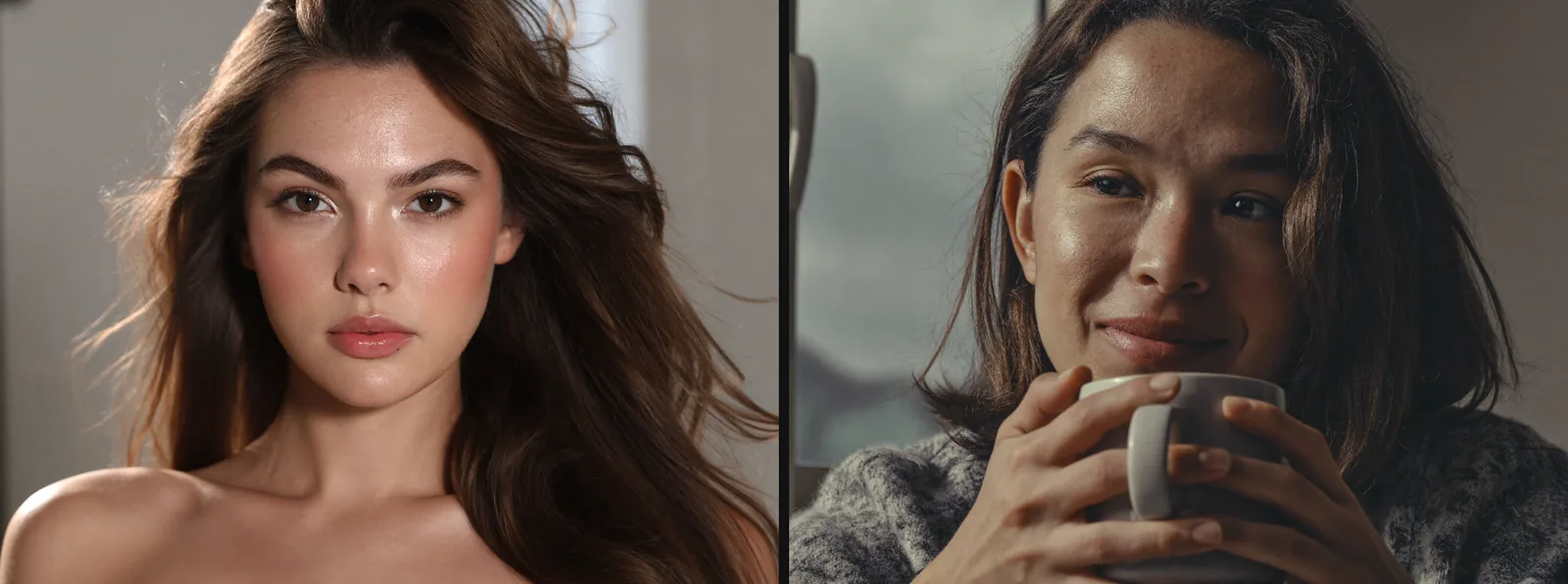
Made in Realism Pro: the “Instead of” line, then the BETTER prompt.
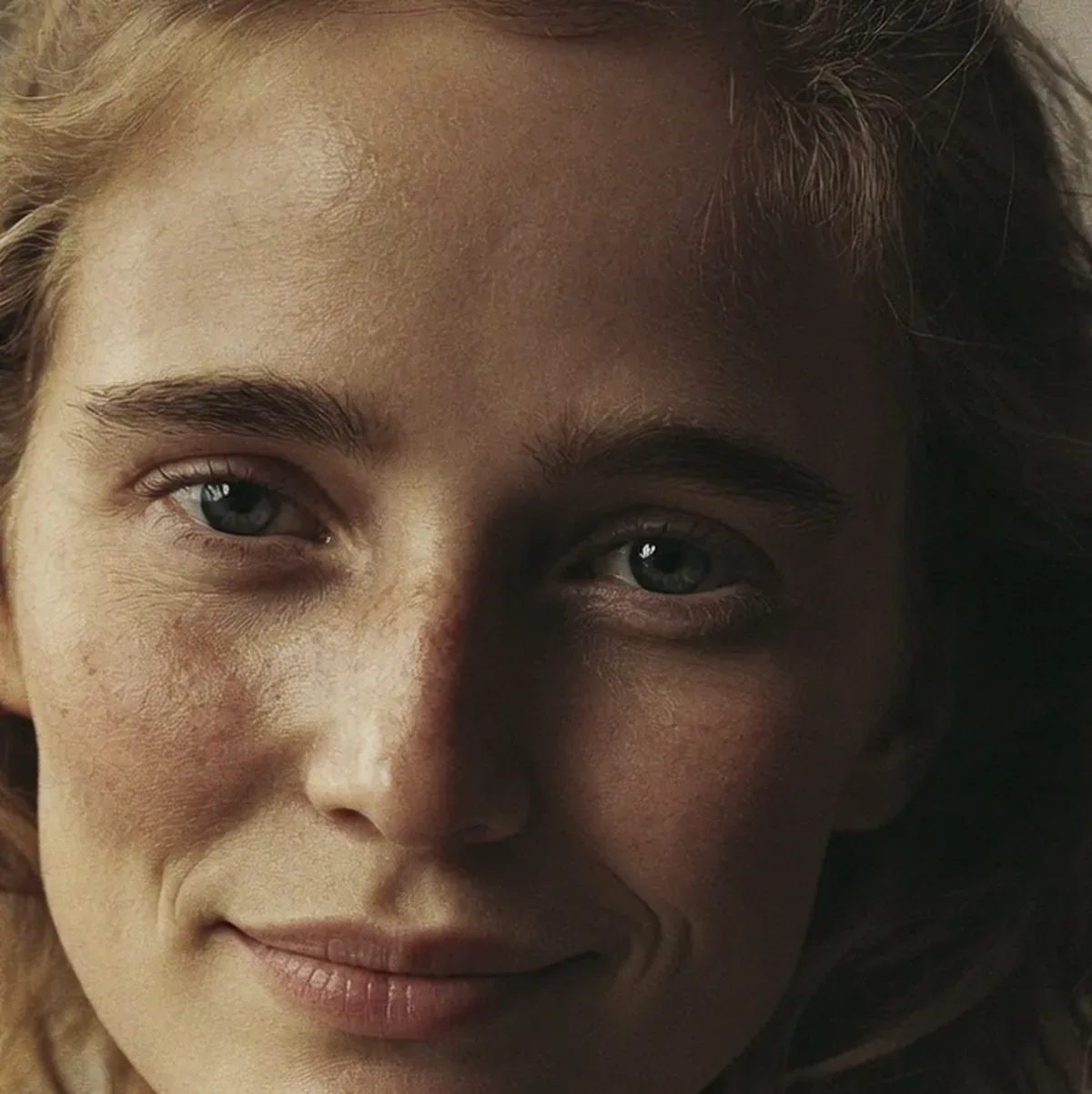
Made in Realism Pro: BETTER prompt, cropped at full size.
The realism block
Paste this at the end of any image prompt with a person in it. It names what real photographs have and the AI habits to avoid, so it sits alongside whatever scene comes before it. Pores only show close up, so in medium and wide shots don’t ask for every pore; the block already keeps skin honest at that distance.
Realism Block:
Real, unretouched photographic skin: natural color variation across the face, a little shine on the forehead and nose, softer texture on the outer cheeks, normal creases under the eyes and real texture on the lips. Hair separates into uneven strands with a few flyaways, and makeup and clothing look lived in. A natural, in-the-moment expression rather than a posed model look. It reads as a frame from a film, not a stock photo or a beauty ad. No skin smoothing, waxy skin, porcelain teeth, glowing irises, uniform pore texture or helmet-like hair.Why this works
- It lists specific, observable features (shine on the forehead and nose, softer cheeks, uneven hair strands) rather than a vague quality level.
- Because it is scene-agnostic, it can follow any subject without contradicting the light or setting.
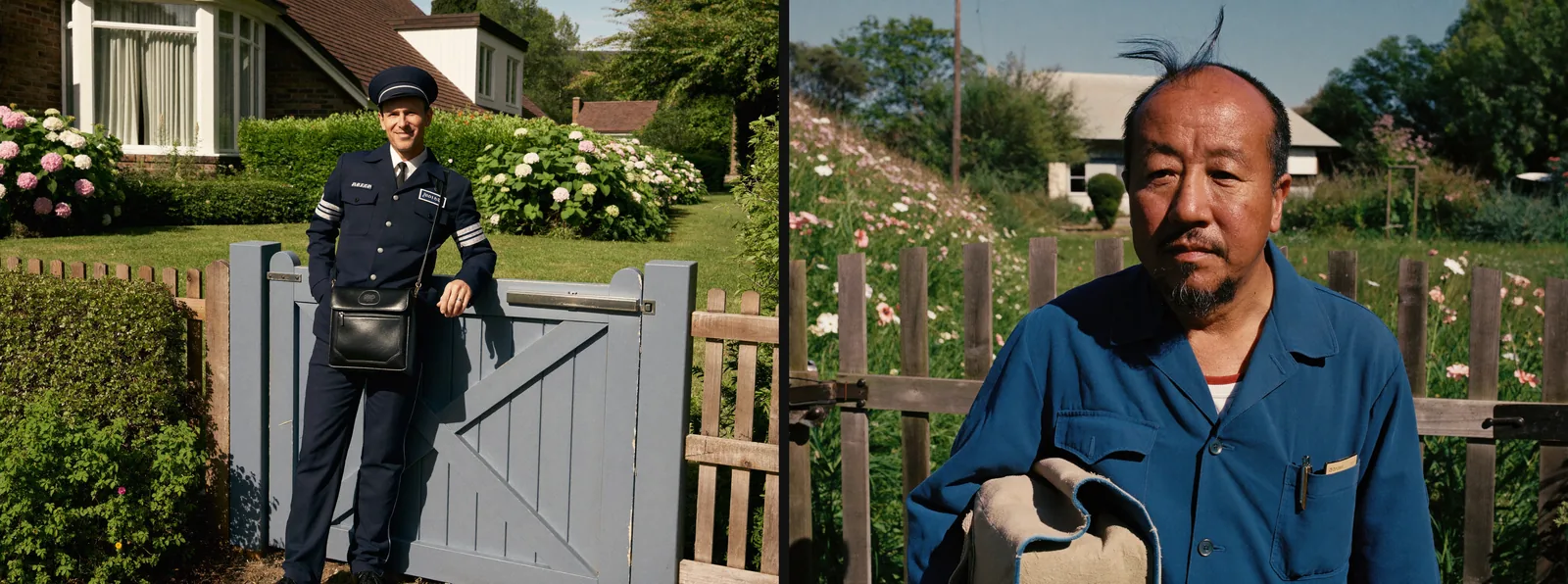
Made in Realism Pro: “Photorealistic medium shot of a postman in his fifties at a garden gate on a bright morning” alone, then with the REALISM BLOCK appended.
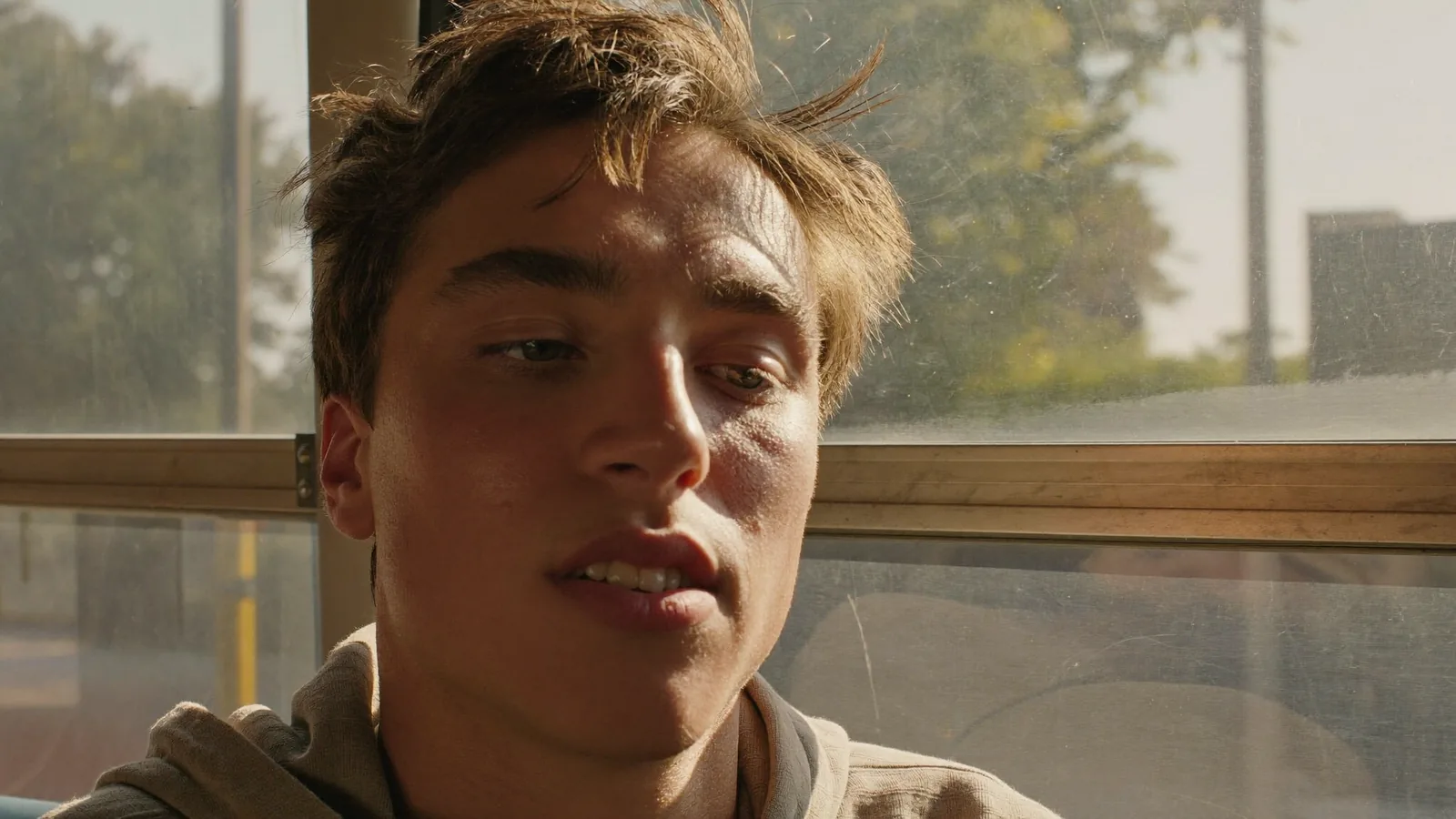
Made in Realism Pro: “Photorealistic close-up of a boy of sixteen on a school bus window seat, afternoon light” + REALISM BLOCK.
One light with a reason to be there
The reel’s scene is lit by a single hot desk lamp, and every highlight, shadow and glint traces back to it. A light that could really exist in the room, from a stated direction, in a colour that fits its source, with a stated fall-off, reads as real. “Cinematic, dramatic, beautiful light” does not.
Instead of: “Cinematic lighting, dramatic, moody, beautiful light, perfectly lit face.”
Light Block:
One [light source] [where it sits] lights [the person]'s face in [warm amber] light from [the left]. The rest of the [room] falls into deep [green-gray] shadow, [with a little haze in the beam]. No other light sources and no flat fill light.Why this works
- Source, position, colour and fall-off are the four things a real light has; the block asks for each.
- “No other light sources and no flat fill light” stops the model lighting the face from everywhere.
- Check the eyes: one lamp gives one small reflection in each eye. Rings, several points or none mean the light in the prompt isn’t clear yet.
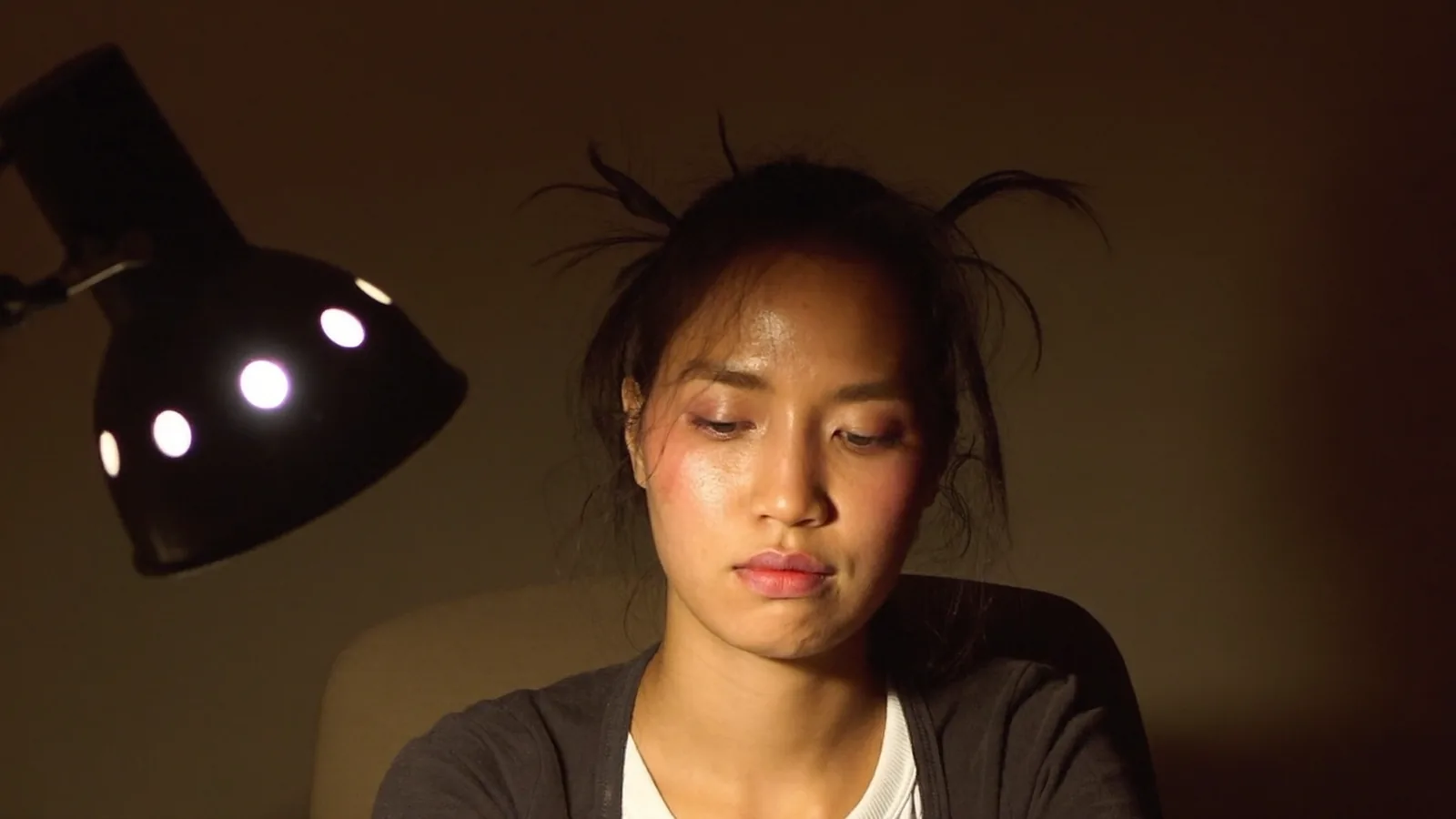
Made in Realism Pro: LIGHT BLOCK filled: one desk lamp low on the table lights a clerk’s face in warm amber from the left, the rest of the office in deep brown shadow.
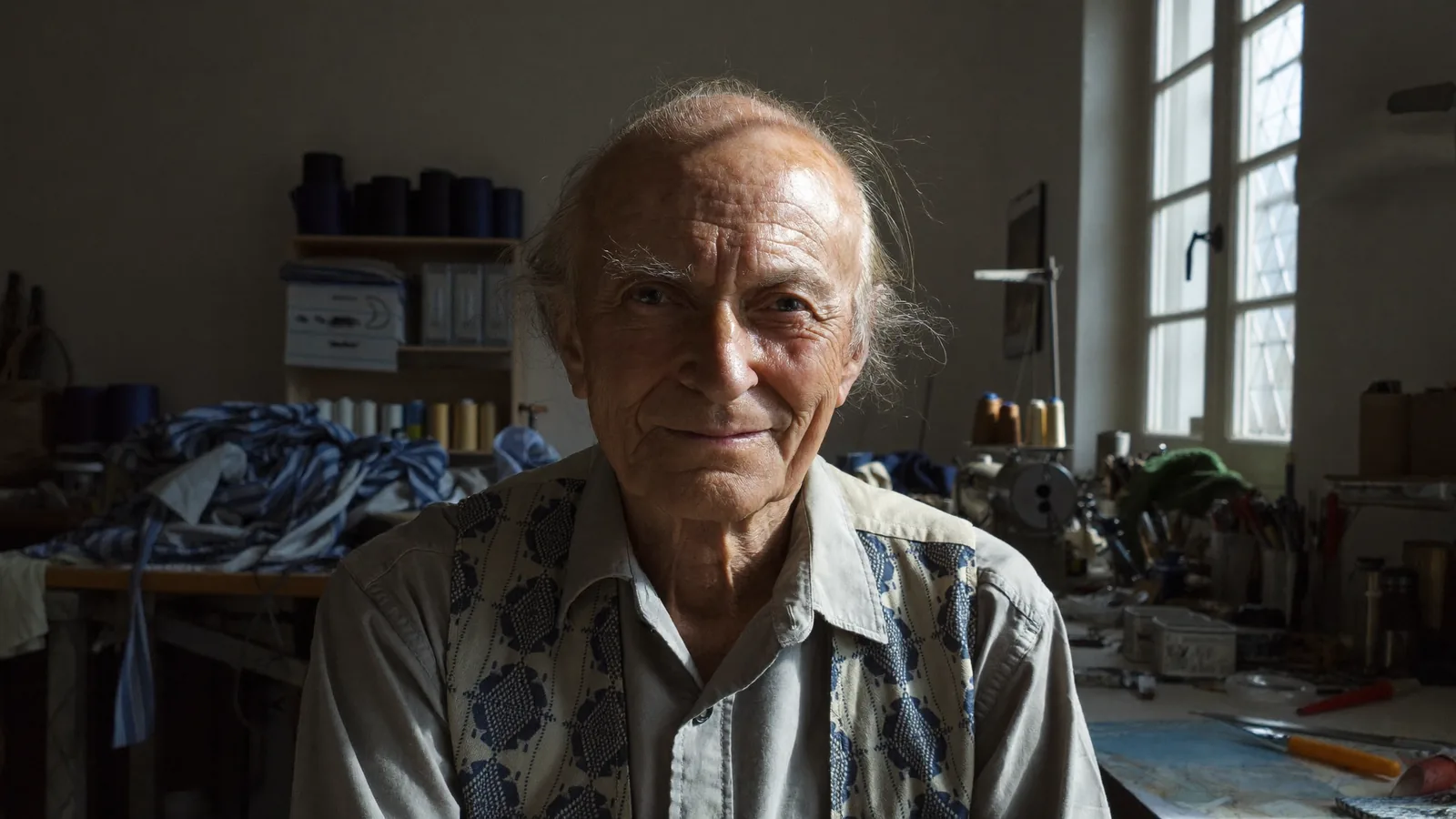
Made in Realism Pro: LIGHT BLOCK filled: one tall window to his right lights an old tailor’s face in neutral daylight, the workshop in soft grey shadow.
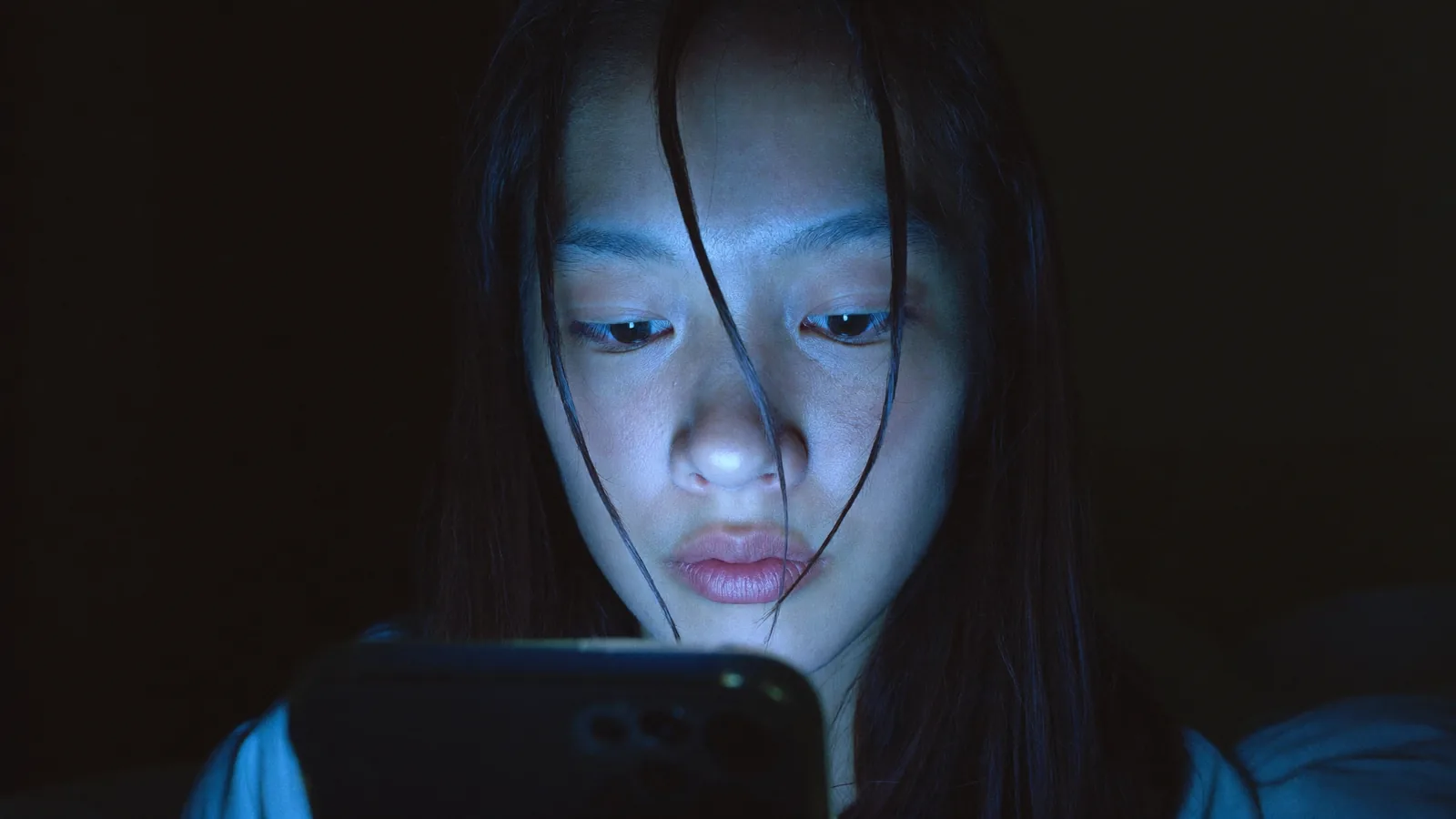
Made in Realism Pro: LIGHT BLOCK filled: one phone screen in her hands lights a girl’s face in cold blue from below, the bedroom in black shadow.
Write a person, not a model
A specific person looks more real than a beautiful one, because real faces carry their age, job and week on them. Give age, occupation, build, skin, hair and eyes, one sign of wear on the clothes and one simple action, then add the realism block. Keep signs and logos out: garbled background lettering is one of the quickest giveaways.
Image Template:
Photorealistic [shot size] of a [woman or man] of [age], [what they do], [build], with [skin details], [hair] and [eyes]. [They] wear [clothing, with one sign of wear]. [They] [one simple action] in [location, time of day]. The camera is at [eye level], about [distance] away, framing [them] from the [waist] up on a [50 mm] lens. [One light source] lights [their] face from [direction], with [shadow] around [them]. [Their expression, and why].Why this works
- Each bracket forces a specific choice, so the model can’t fall back on a generic attractive face.
- One sign of wear on the clothing is a cheap, strong cue that the person has a life outside the frame.
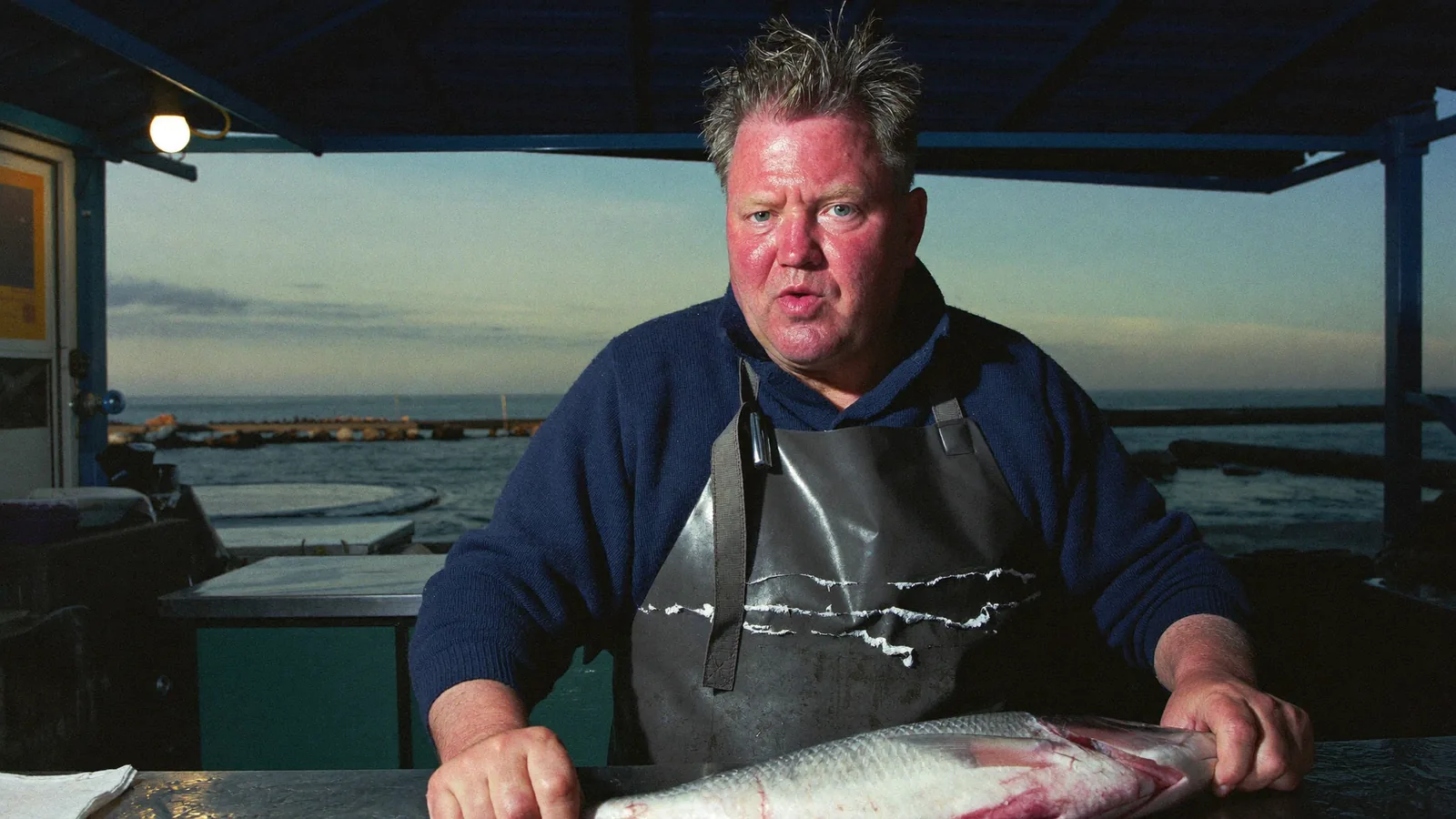
Made in Realism Pro: IMAGE TEMPLATE filled as described + REALISM BLOCK.
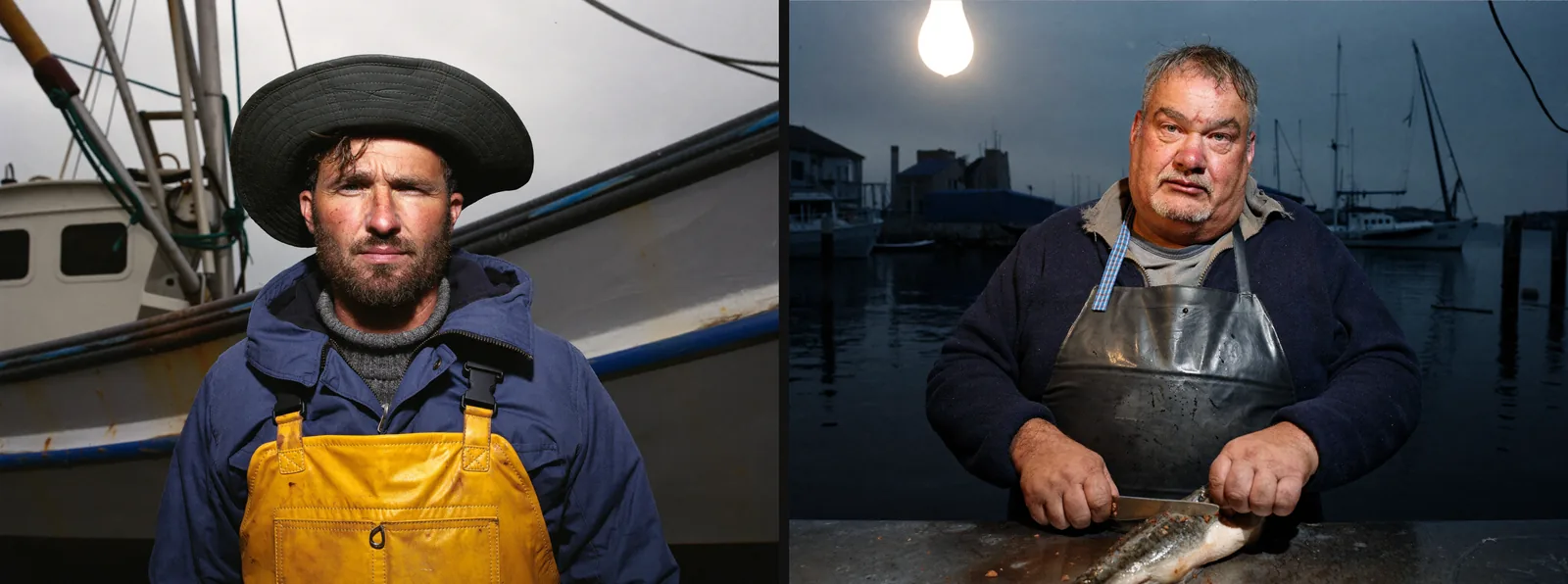
Made in Realism Pro: “Photorealistic portrait of a handsome fisherman” vs the filled IMAGE TEMPLATE.
IMAGE PROMPT: The detective
Prompt
Photorealistic medium shot of a man of 62, a police detective, heavy-set and rumpled, with ruddy weathered skin, gray stubble, thinning gray hair combed back and tired bloodshot eyes. He wears a creased white shirt with the sleeves rolled up and a loosened brown tie. He leans on his fists over a scratched metal table in a 1970s interrogation room at night, green-gray tiles behind him. The camera is at eye level two meters away, framing him from the waist up on a 50 mm lens. A hot tungsten desk lamp lights his face in warm amber from below, with deep shadow around him. He stares at someone off camera, certain he has caught them. Real, unretouched skin, no readable text.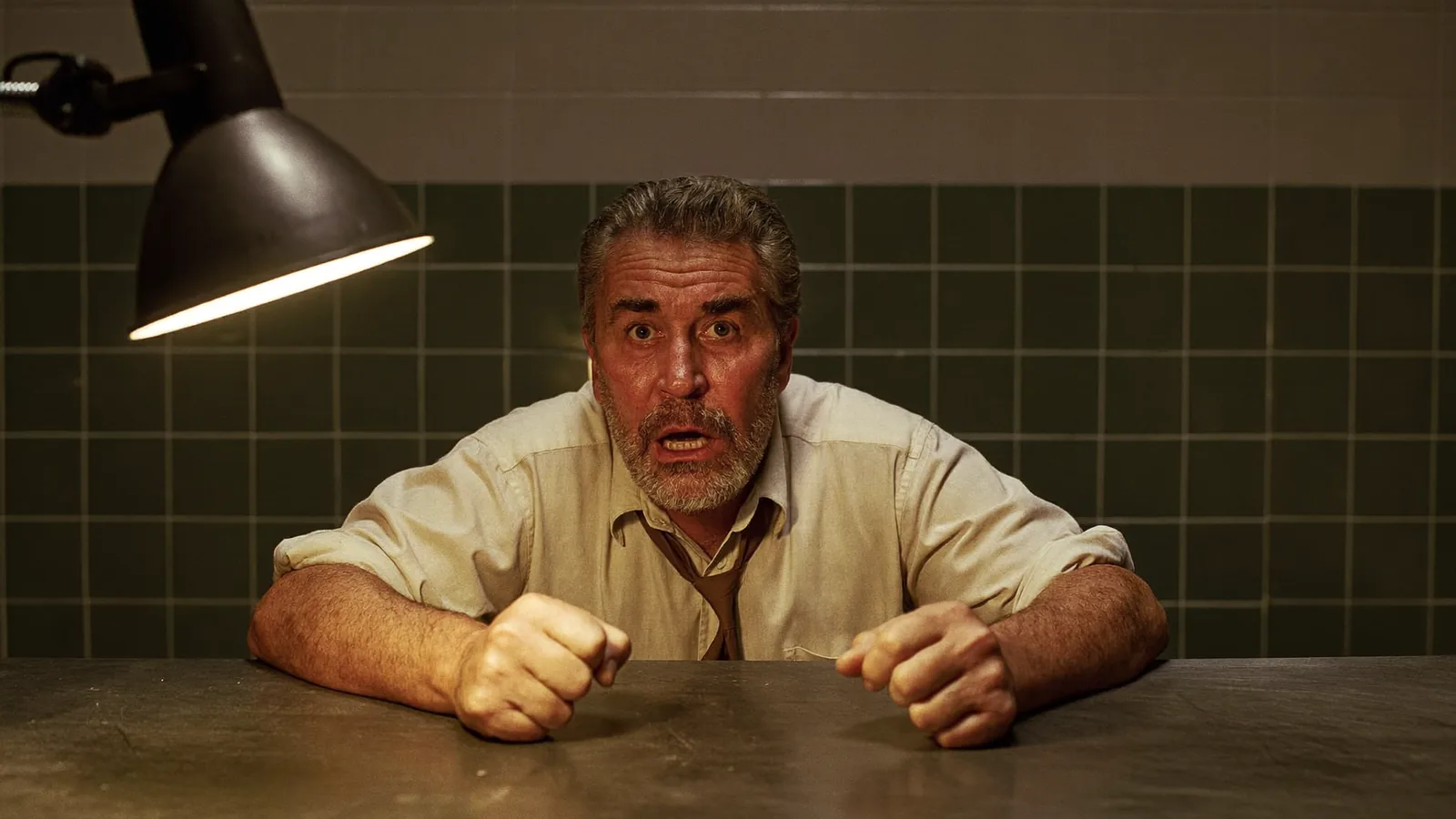
Made in Realism Pro: IMAGE PROMPT: The detective, as written.
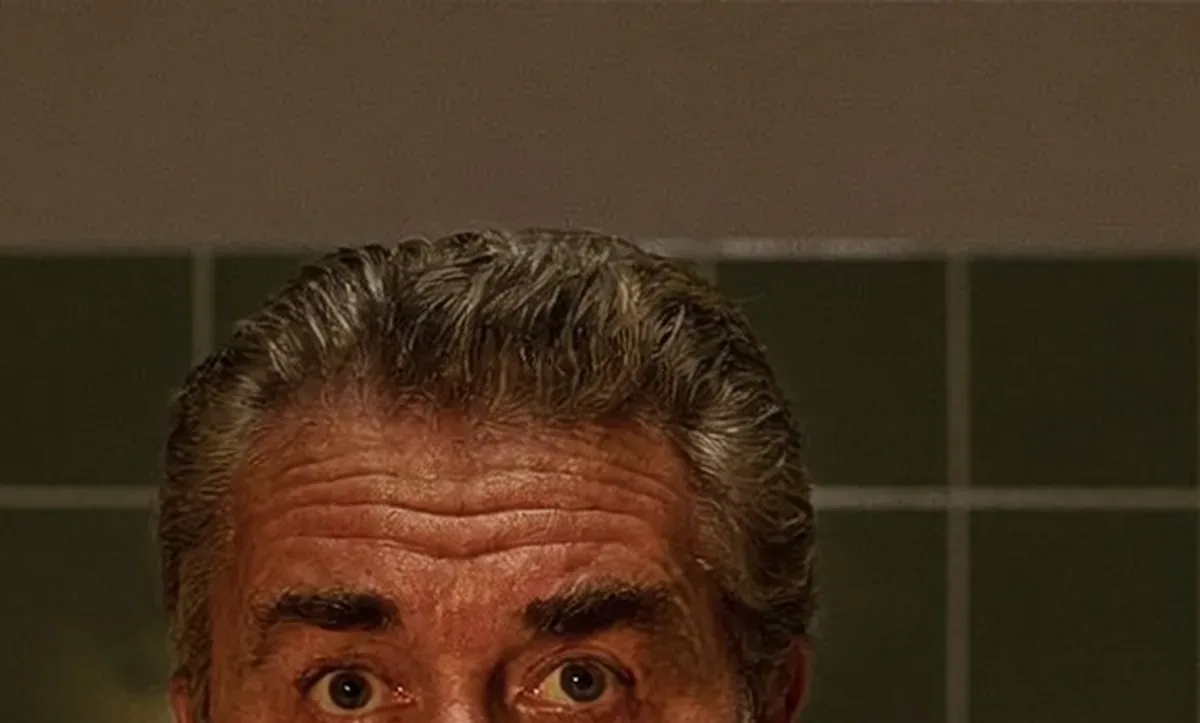
Made in Realism Pro: same still, cropped.
IMAGE PROMPT: The suspect under the lamp
Prompt
Photorealistic medium close-up of a woman in her mid-twenties sitting at a scratched metal table in a 1970s interrogation room at night, arms folded, chewing gum and unimpressed. She has long straight black hair with a heavy blunt fringe, dark eyes with soft smoky liner and a few faint freckles, and she wears a fitted black T-shirt and a slim silver watch. The camera is at eye level about a meter and a half away on a 50 mm lens. A hot desk lamp beside her lights her face in warm amber from the side, and the green-gray tiled wall behind her falls into shadow. Real, unretouched skin with a little shine on her forehead and a few loose hairs across her fringe, no readable text.Why this works
- The second character needs as much detail as the first, plus a small habit (chewing gum, folded arms) that can be brought to life in the video.
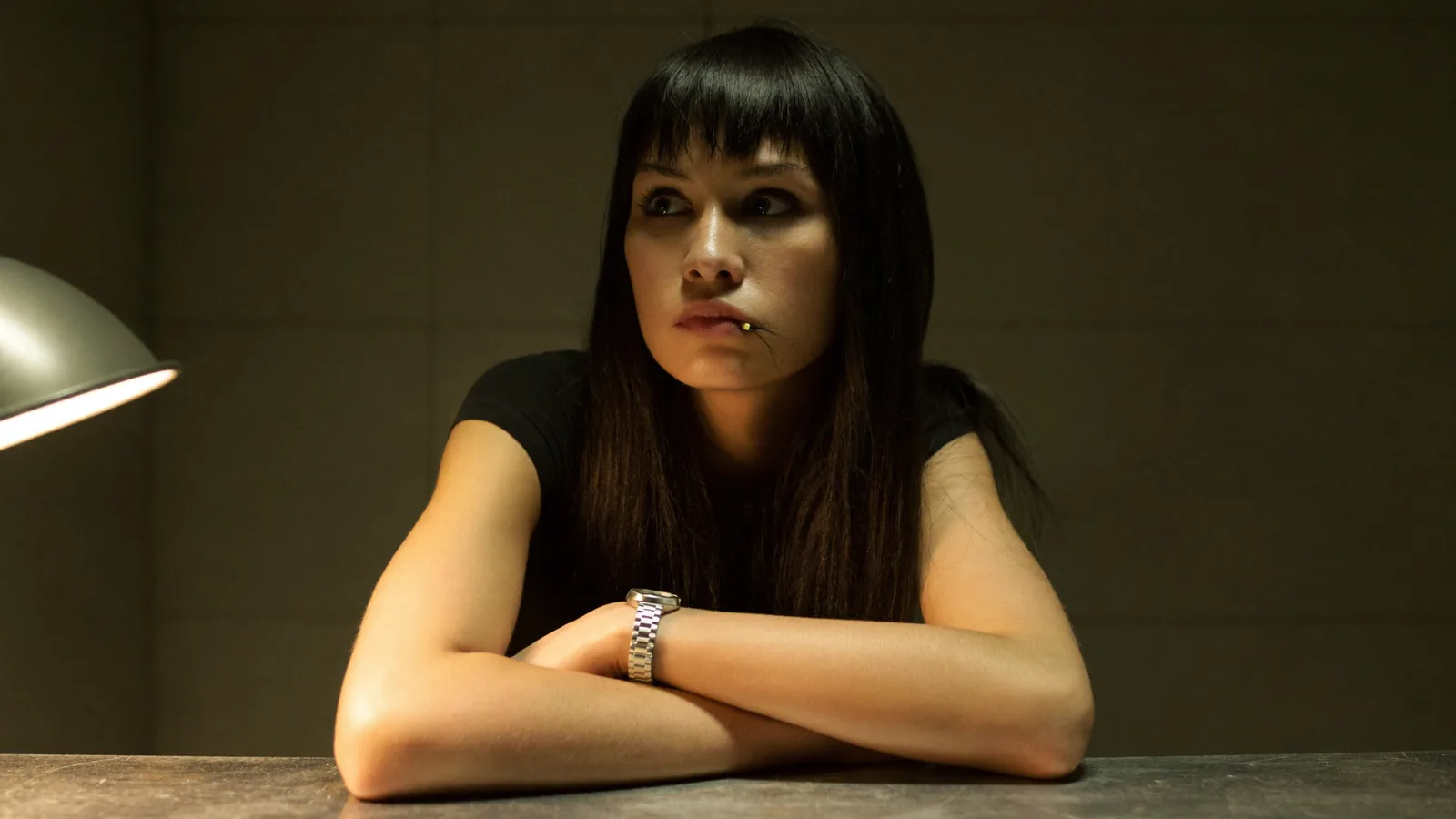
Made in Realism Pro: IMAGE PROMPT: The suspect under the lamp, as written.
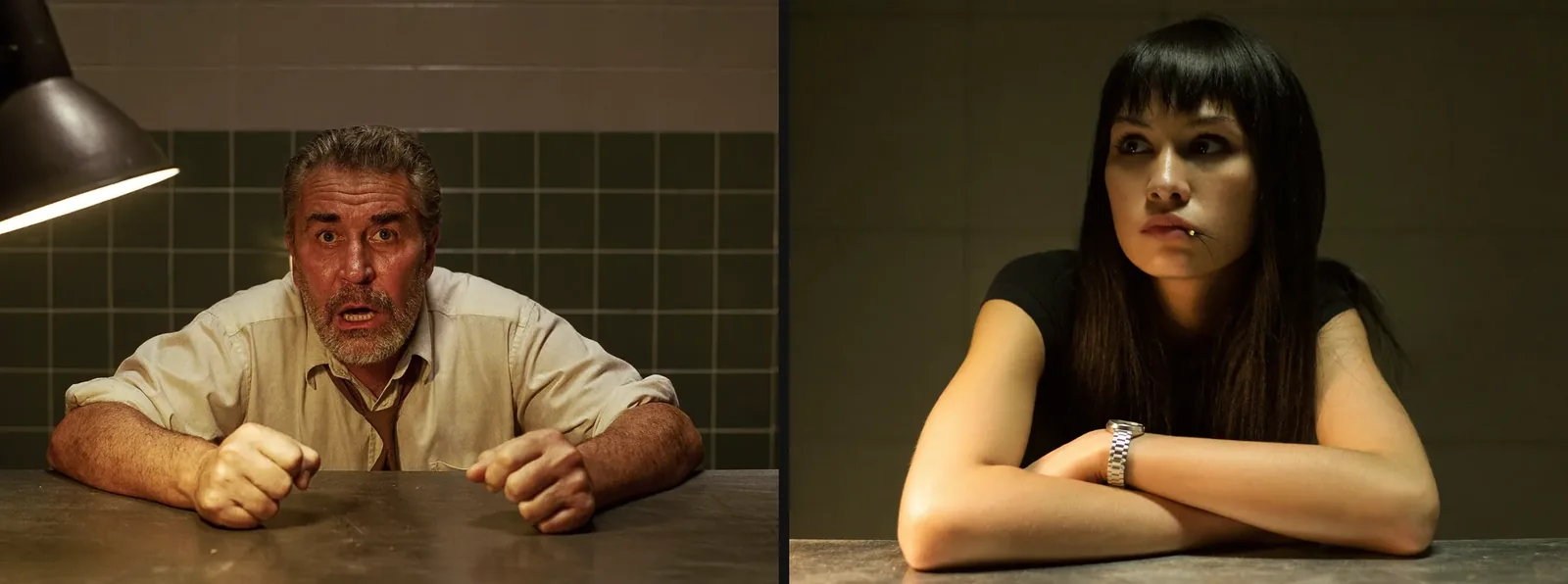
Made in Realism Pro: the detective and suspect stills.
Three macro shots that sell the scene
Close-ups are where AI used to fall apart, so when a 100 mm macro holds up, the viewer believes the wider shots too. Keep each macro short and give it one physical event.
Skin: pores and peach fuzz
Pores and fine hairs show best when light grazes the skin from the side or slightly behind. The magnifying glass gives the shot a reason to be this close, and its slow drift moves the light across the skin so the texture reads as real.
Video Prompt
Extreme close-up of [a woman]'s cheek seen through a large round magnifying glass, shot on a 100 mm macro lens, one continuous shot. Her skin fills the frame in the warm light of [a hot desk lamp] from the side: every pore, fine peach fuzz catching the light and a few tiny freckles, sharp and real. The magnifying glass drifts slowly across her cheek, and the curved edge of the glass bends the image slightly. She breathes, and her skin moves very slightly. Real, unretouched skin. Sound: the low buzz of the lamp. No music, no text.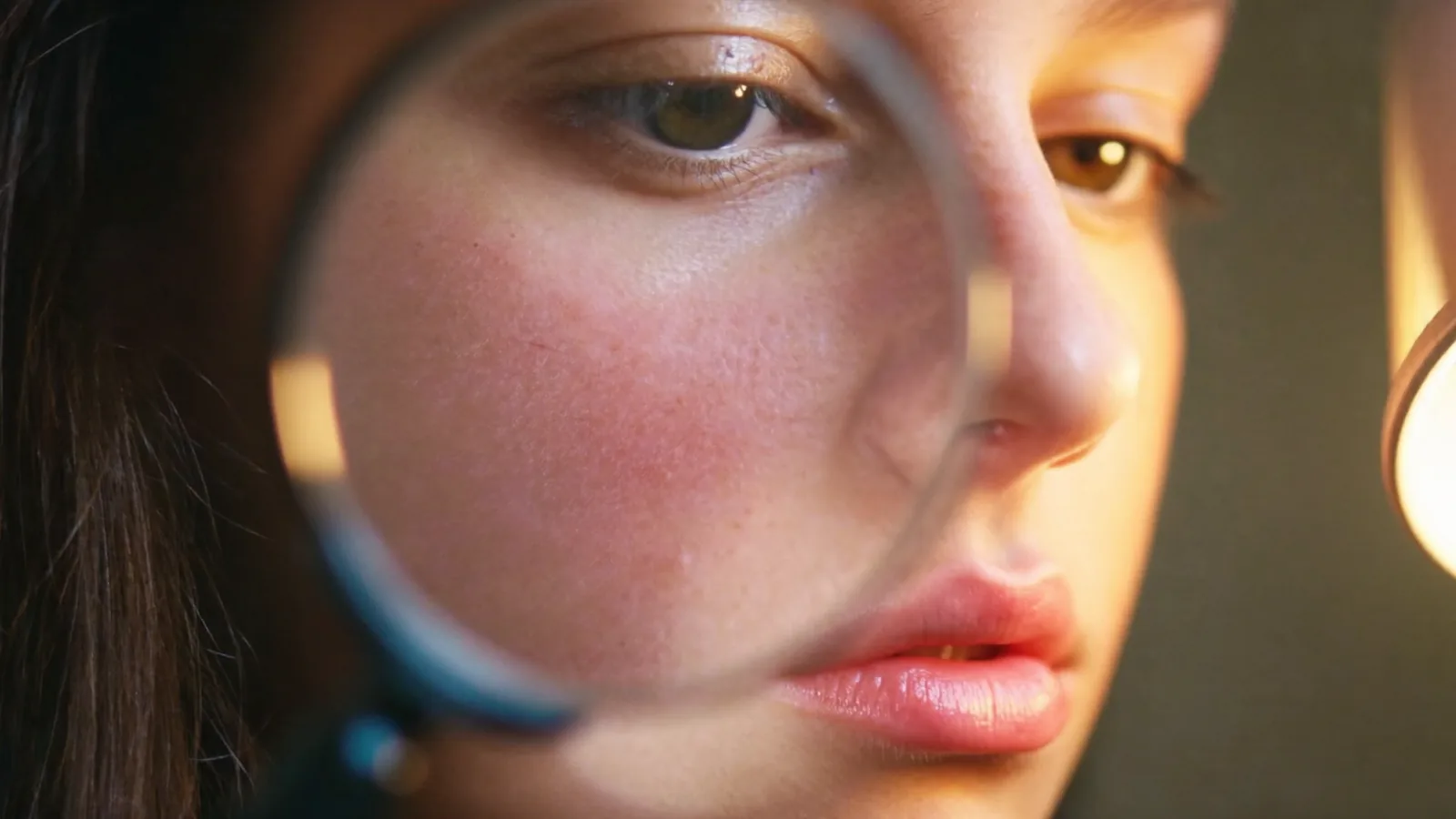
Made in Realism Pro as a still: VIDEO PROMPT: Skin: pores and peach fuzz, bracket examples kept.
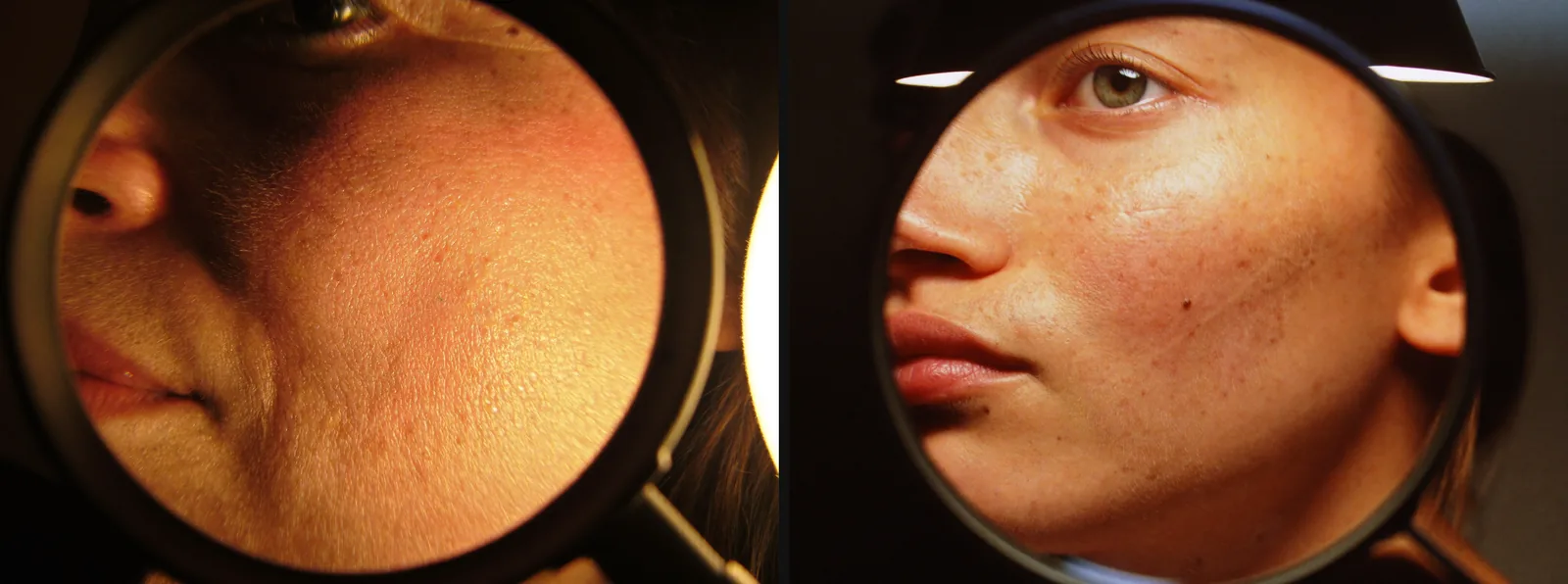
Made in Realism Pro as a still: VIDEO PROMPT: Skin: pores and peach fuzz, bracket examples kept.
An eye that reacts to the light
Real eyes respond: a bright lamp shrinks the pupil and makes the lids flinch. Ask for that, plus one small imperfection in the white of the eye, because perfectly clean, glowing eyes are a classic tell.
Video Prompt
Extreme close-up of [a woman]'s [dark brown] eye on a 100 mm macro lens, one continuous shot. [A hot desk lamp] swings toward her face, and her pupil shrinks as the iris closes down in the bright light. Her lashes flicker, her lower lid tightens in a small squint, and a thin red vein shows in the white of her eye. One small reflection of the lamp sits in her eye, with a natural wet shine along the lower lid and real skin texture on the eyelid. No glowing iris. Sound: the buzz of the lamp. No music, no text.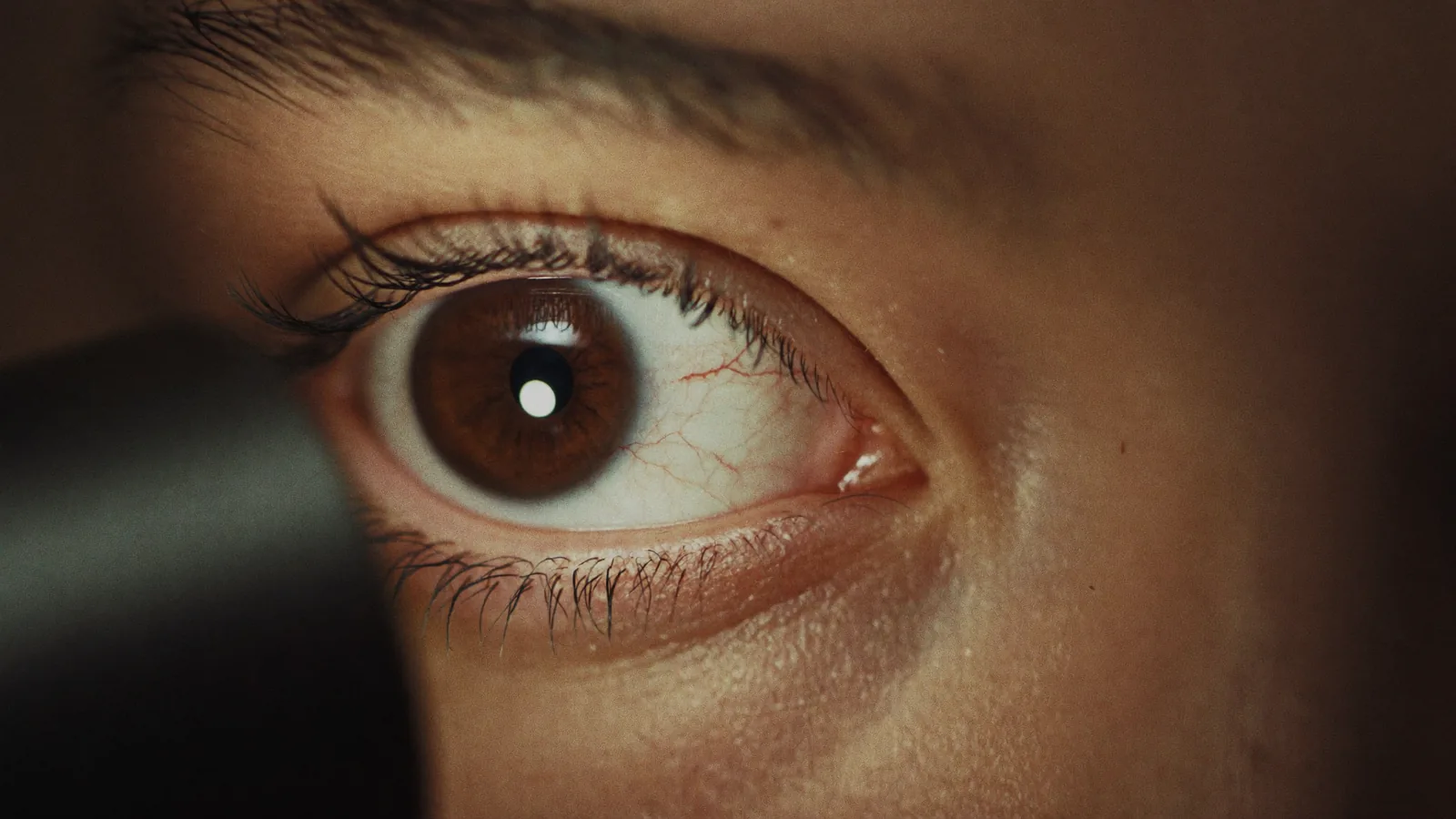
Made in Realism Pro as a still: VIDEO PROMPT: An eye that reacts to the light, bracket examples kept.
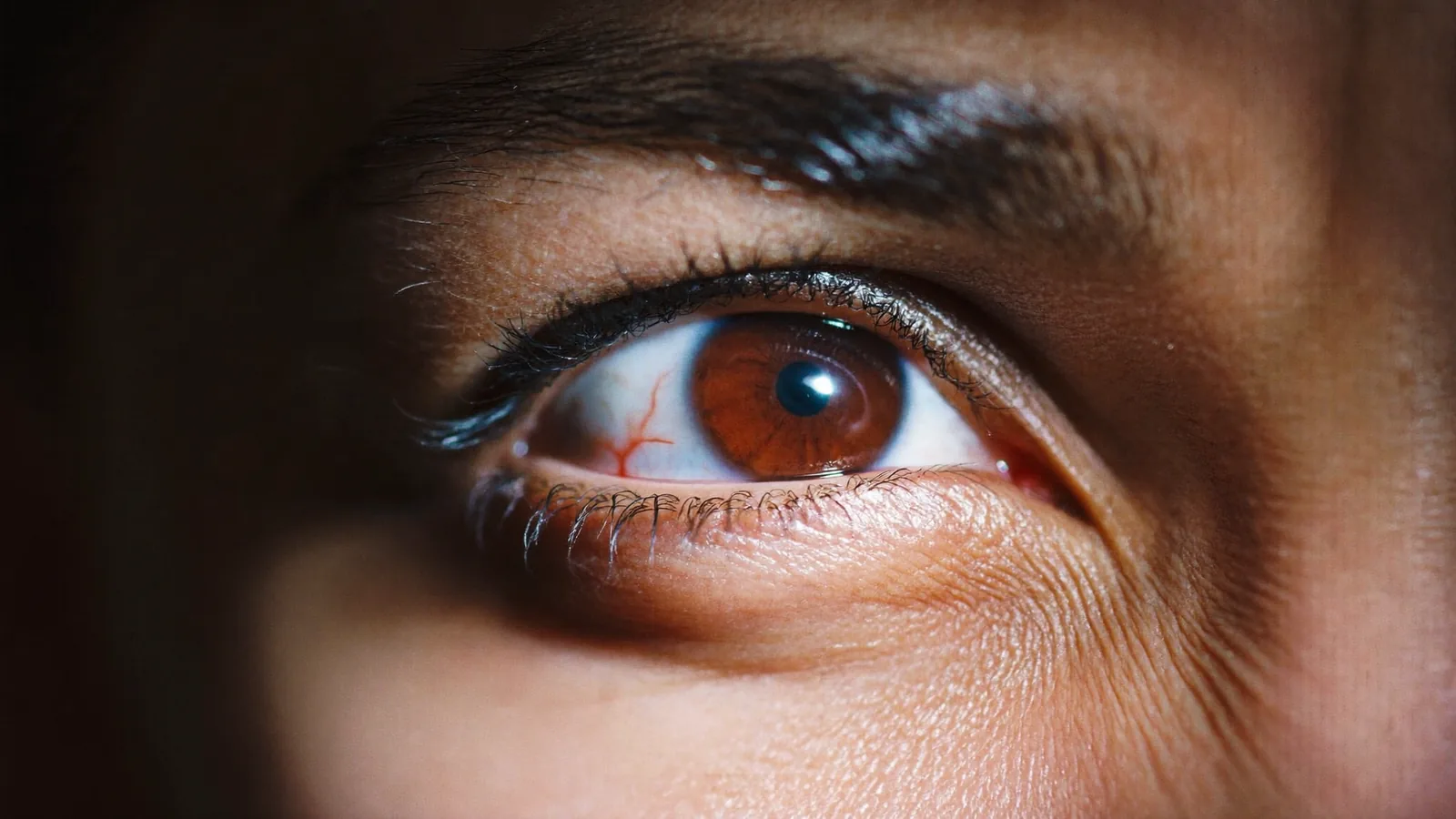
Made in Realism Pro as a still: VIDEO PROMPT: An eye that reacts to the light, bracket examples kept.
A single bead of sweat
Sweat looks real with a cause, a place and gravity: one bead at the hairline, the lamp’s heat as the reason, and a slow run downwards with the highlight sliding along.
Video Prompt
Extreme close-up on a 100 mm macro lens of [a woman]'s temple at her hairline, one continuous shot. In the heat of [the hot desk lamp], a single small bead of sweat forms on her skin, grows for a moment and then runs slowly down her temple, leaving a faint wet trail. The bead catches one bright highlight from the lamp. Fine hairs at the hairline, real pores and a little shine on the skin around it. The camera holds steady. Sound: the buzz of the lamp and a clock ticking. No music, no text.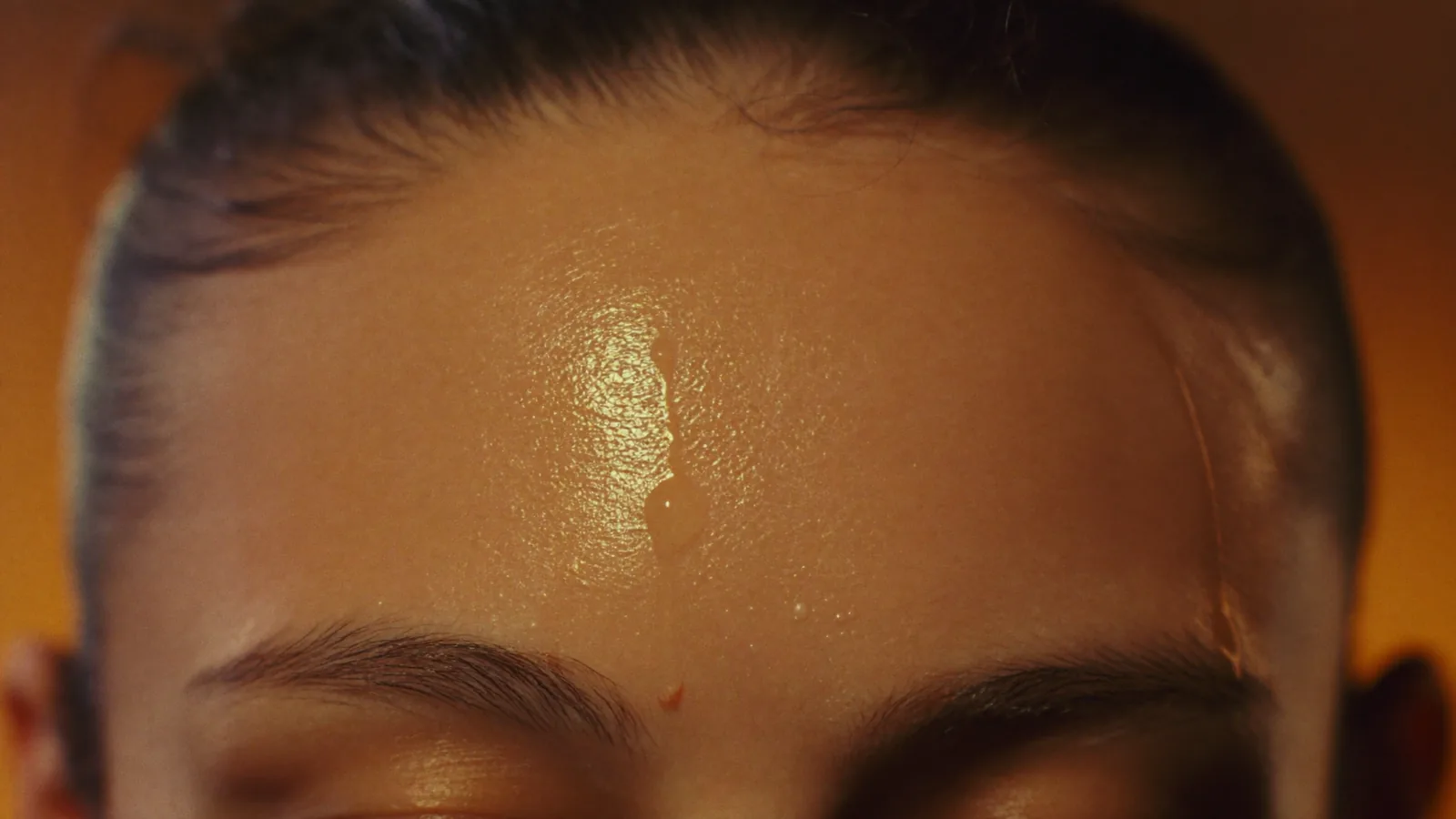
Made in Realism Pro as a still: VIDEO PROMPT: A single bead of sweat, bracket examples kept.
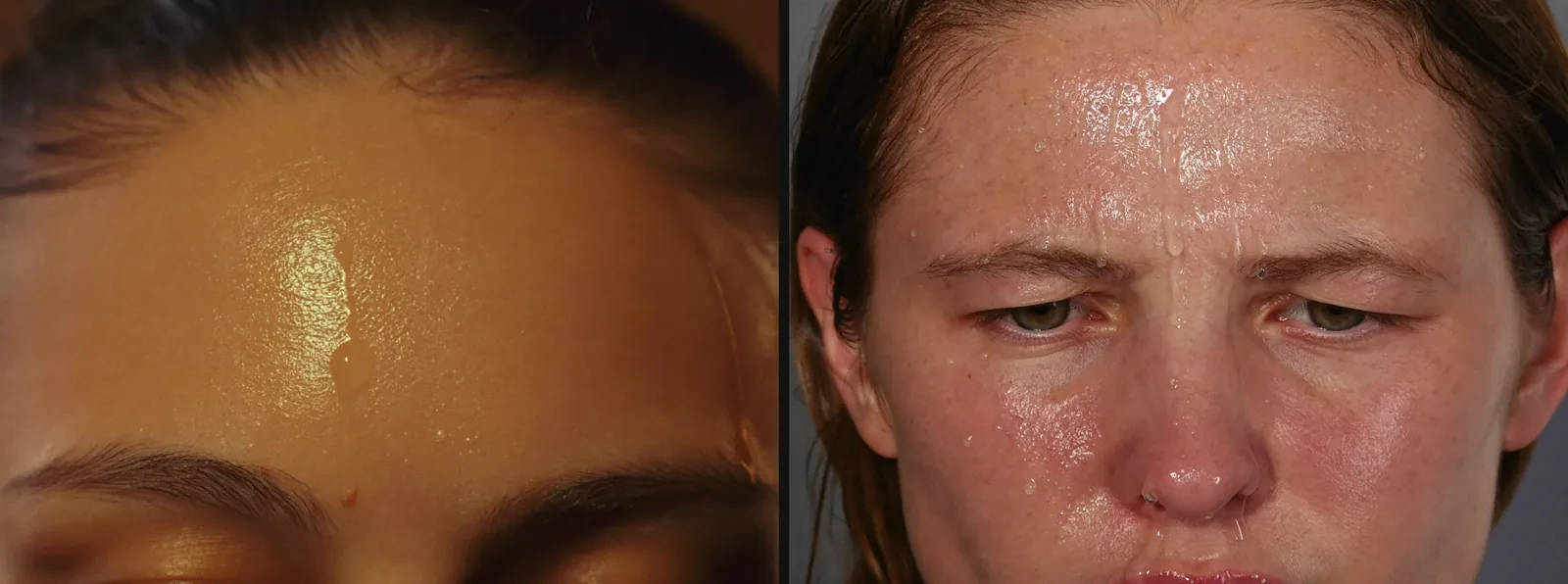
Made in Realism Pro as a still: VIDEO PROMPT: A single bead of sweat, bracket examples kept; right panel uses the weak sweat line below.
Moisture, wear and small signs of life
Sweat is one of several details that make a body look real. Pick two or three that suit the moment and give each a cause: a detail with no reason looks pasted on, while one with a reason makes the viewer feel the heat or the cold.
Instead of: “Sweaty glistening wet skin, dripping, glossy, hyper detailed.”
Better:
Photorealistic close-up of a man in his forties standing at a riverside railing on a cold morning, just after a run, catching his breath. A light sheen of sweat sits at his hairline and on his upper lip, his cheeks and the tip of his nose are flushed pink from the cold, and his breath shows as a faint mist. Damp hair sticks to his forehead. Shot on an 85 mm lens at eye level, about a meter away. Low, soft morning sun from the left, the river softly blurred behind him. Real, unretouched skin, no readable text.Why this works
- The run and the cold explain the sweat, the flush and the visible breath, so each detail sits where it would in life.
- “Glistening”, “dripping” and “glossy” with no cause tend to coat the whole face in an oily, plastic shine.
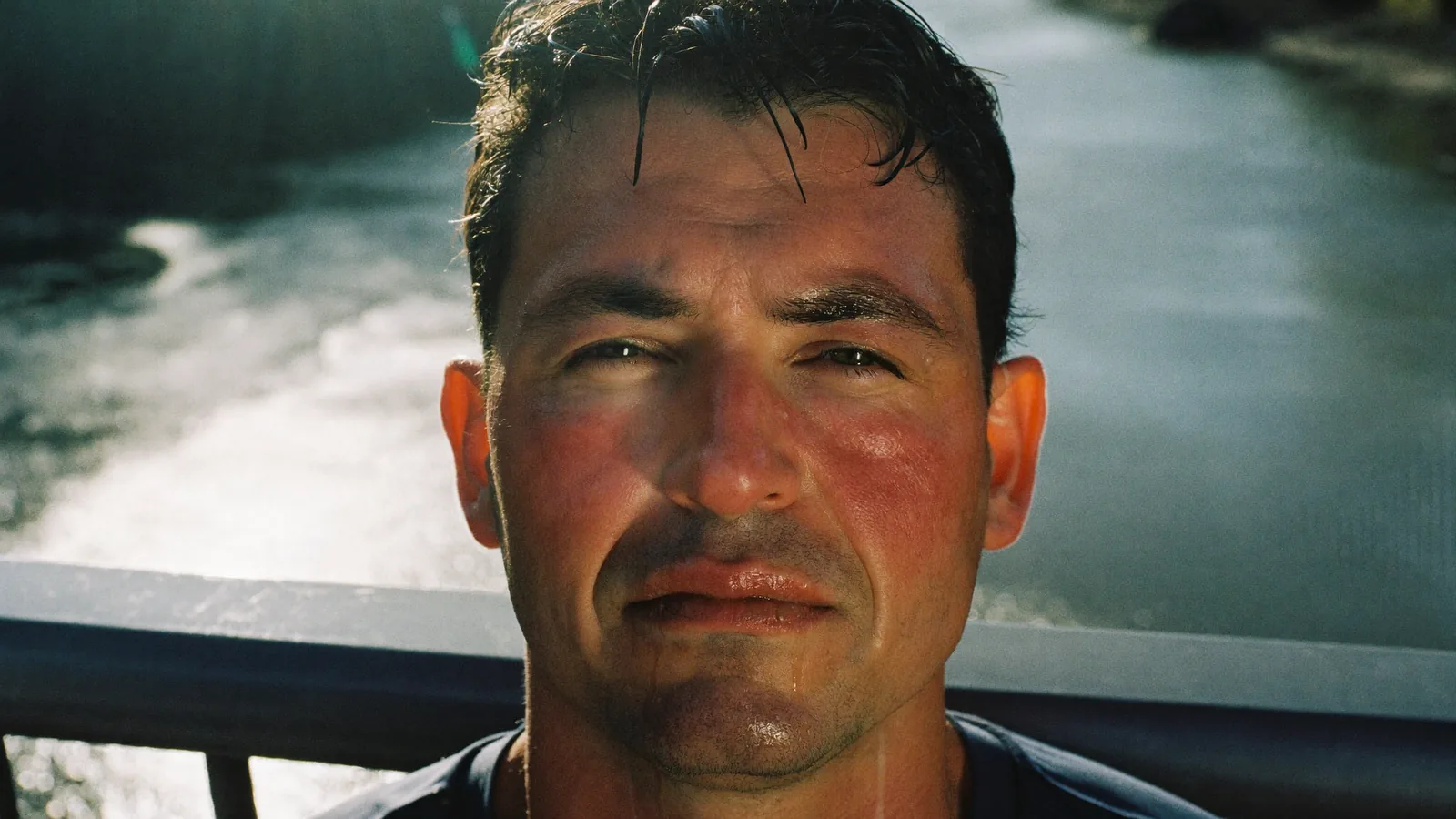
Made in Realism Pro: BETTER prompt above, as written.
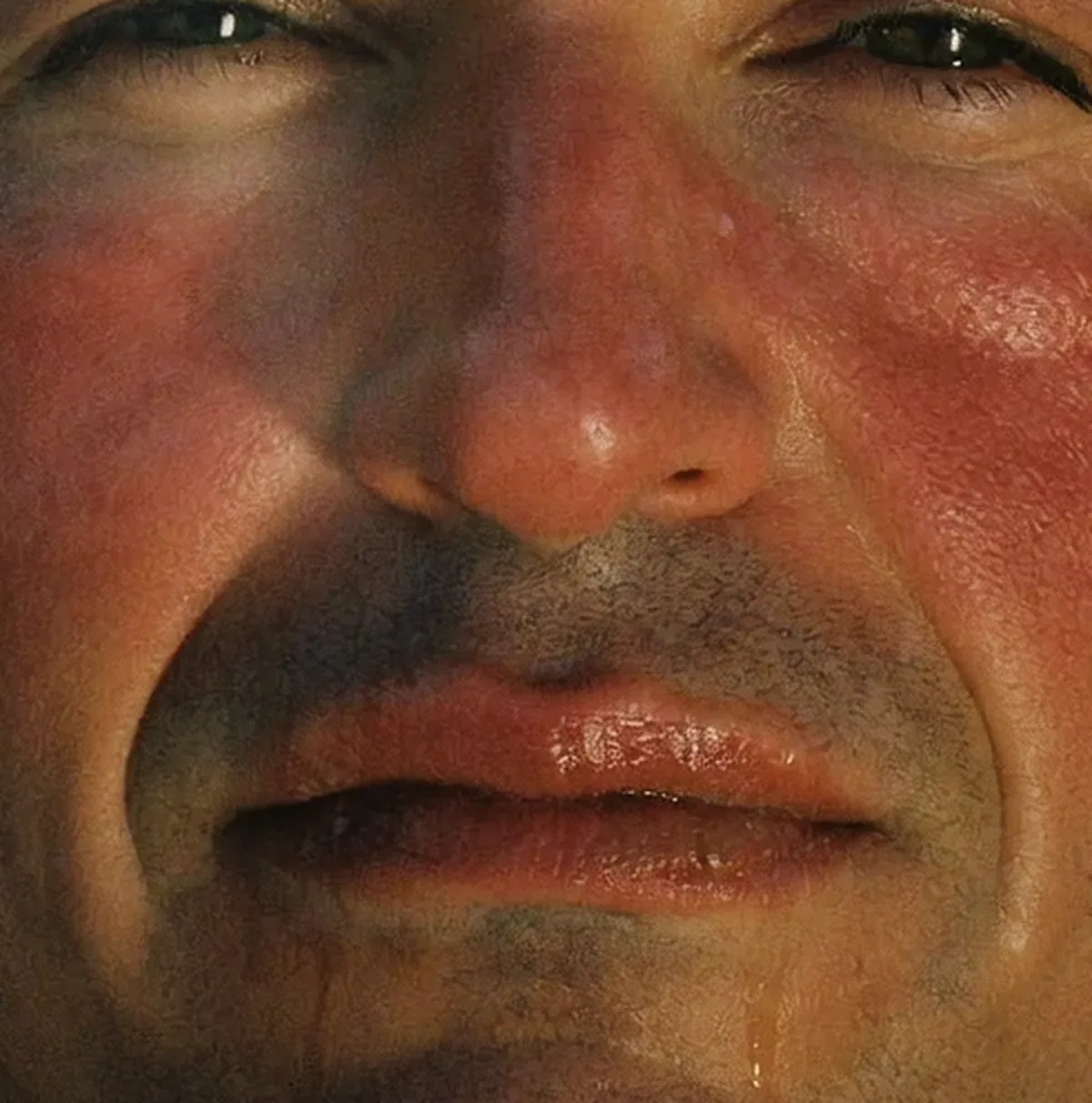
Made in Realism Pro: same still, cropped.
Keep everyone breathing
In video, the fastest way to spot an AI person is a frozen one: a fixed expression, eyes that never blink, a body that doesn’t breathe. Ask for small continuous movement as well as the main action. A two- or three-second shot has room for one clear action and a reaction; anything more belongs in a second shot.
Motion Block:
Every character keeps moving naturally: breathing, natural blinking, small shifts of weight, small hand gestures and hair moving slightly. No frozen poses and no slow motion unless the shot asks for it. Real unretouched skin and hands with five fingers.Why this works
- Breathing, blinking and small weight shifts are the background motion real bodies never stop making.
- “No slow motion unless the shot asks for it” counters the dreamy default some video models fall into.
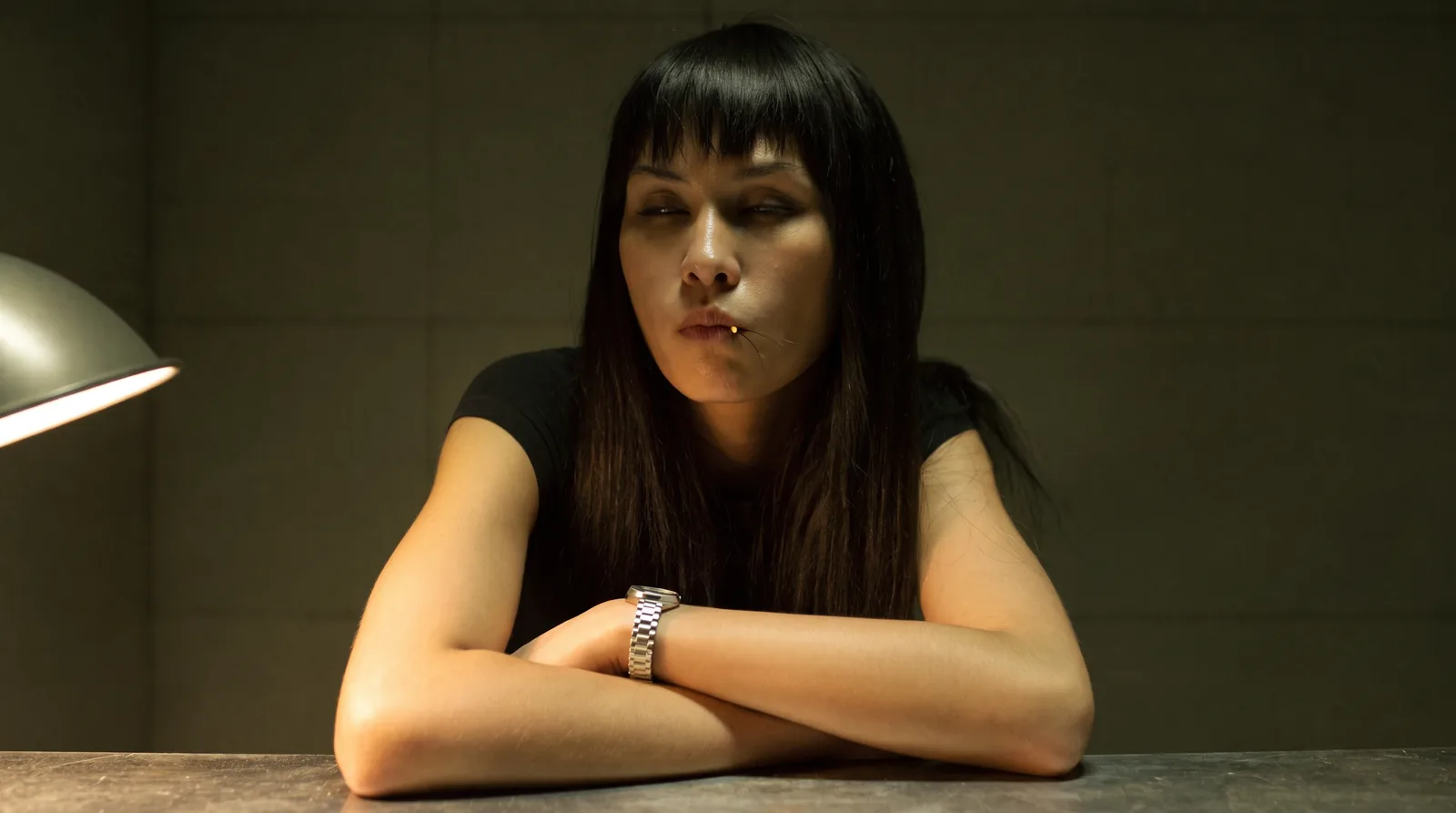
Made in Nano Banana Pro as a still: suspect still as first frame + “She chews gum and watches the detective.” + MOTION BLOCK.
The empty set and the scene template
Faces, the room and the light hold together best when each is prepared separately: the location with nobody in it, then one still per character in the same light, then all of them attached in a fixed order. Give each person a short name, such as the DETECTIVE or the WOMAN, and use exactly that name in every line. Where the video model generates sound, a SOUND line listing the room’s small real noises (a buzzing lamp, a creaking chair) and “No music” makes a scene feel recorded rather than scored.
IMAGE PROMPT: The empty set
Prompt
Photorealistic wide shot of [location] at [time of day], with no people in the frame. [Three or four key objects and their materials, with signs of wear]. The camera is at eye level about [three meters] away on a 35 mm lens, with [the main object] in the center of the frame. [One light source] throws [warm amber] light on [where it lands], while the rest of the [room] falls into deep [color] shadow, [with a little haze in the beam]. Real production design with believable materials and wear, no readable text, signs or logos anywhere.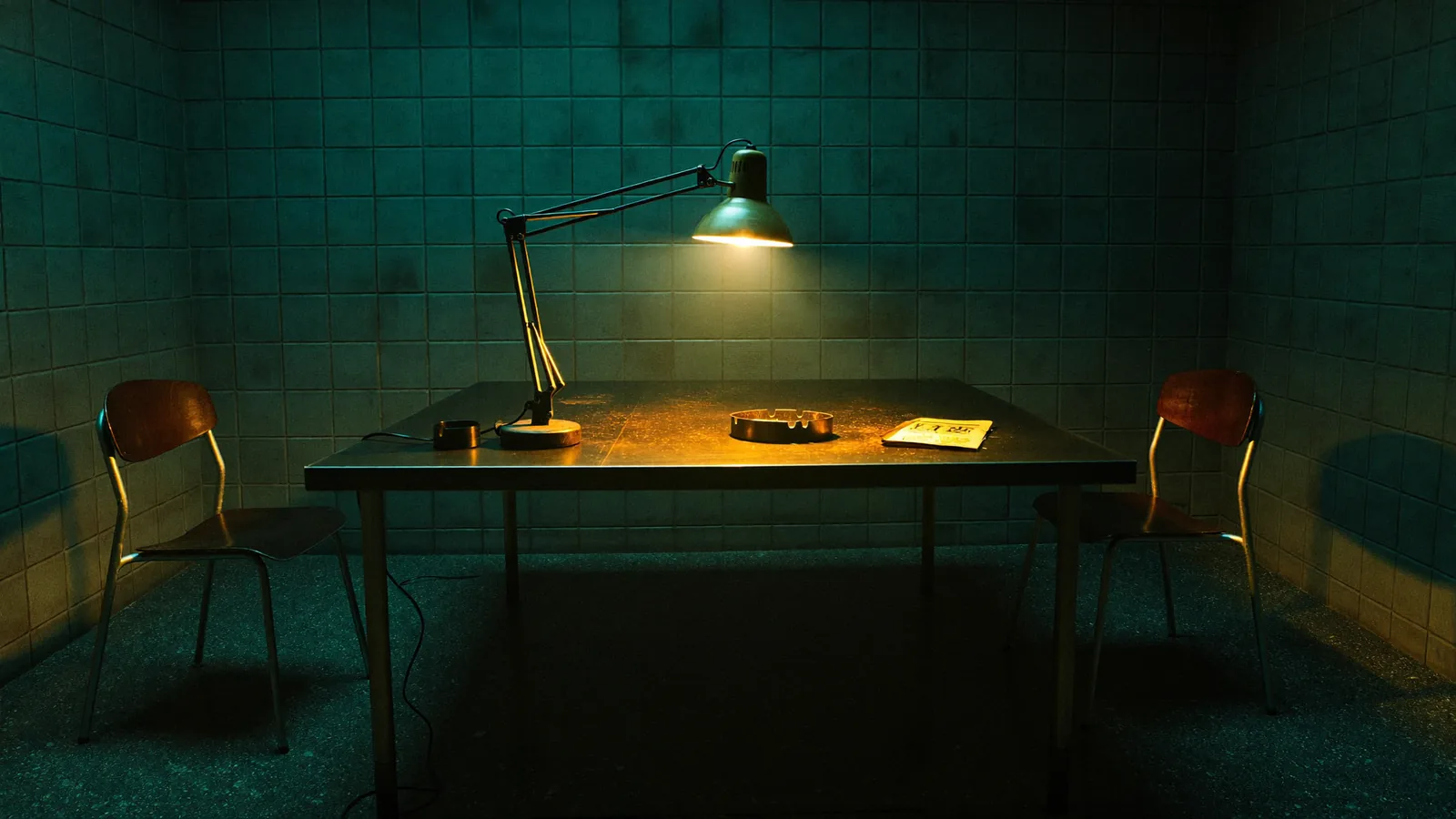
Made in Realism Pro: IMAGE PROMPT: The empty set, filled with the interrogation room details from the scene prompt below.
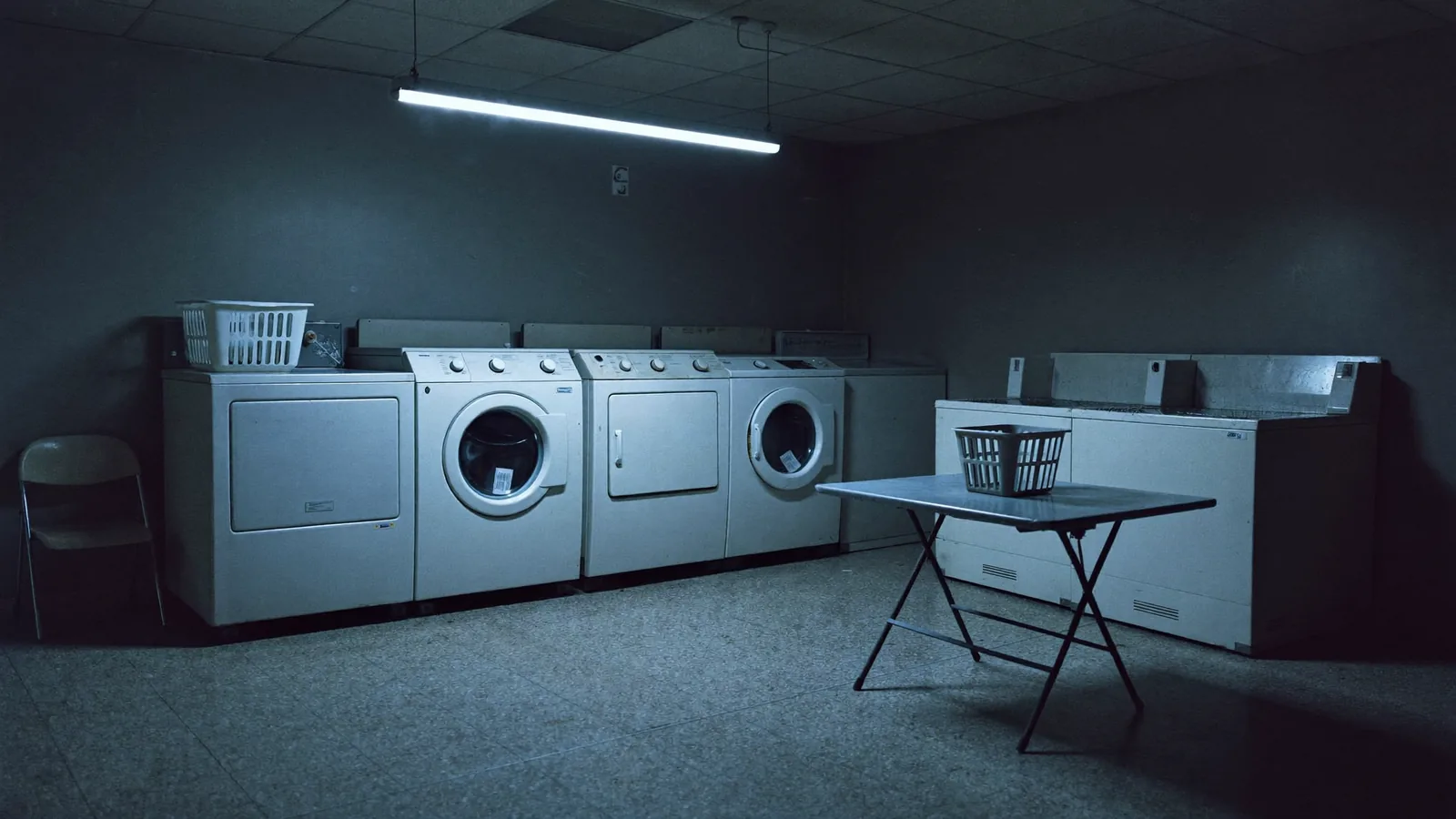
Made in Realism Pro: IMAGE PROMPT: The empty set, filled with “a launderette at 2am”, rows of worn machines, one fluorescent tube.
VIDEO TEMPLATE: The scene template
Prompt
REFERENCES: image 1 is [PERSON A], image 2 is [PERSON B], image 3 is [the location]. Keep each face, hairstyle and outfit exactly as in its image in every shot.
SET: [the location, its main objects and materials]. No signs, posters or readable text anywhere.
LIGHT, identical in every shot: [one light source] throws [warm amber] light on the faces, and the rest of the [room] falls into deep [color] shadow. The same color palette, contrast and exposure in every shot, so all shots match as one continuous scene.
CAST:
- [PERSON A]: [age, look and clothing]. Voice: [voice].
- [PERSON B]: [age, look and clothing]. Voice: [voice].
A scene from a cinematic short film, shot at 24 fps. It has [number] shots separated by hard cuts.
SHOTS (seconds):
0.0-3.0 SHOT 1. [SHOT SIZE], [lens]: [what happens]. [PERSON A]: "[line]"
3.0-5.0 HARD CUT. SHOT 2. [SHOT SIZE], [lens]: [what happens].
SOUND: only the characters' own voices, close and clear, lips matching every word; [three or four real sounds of the place]. Nobody says anything that is not written here. No music.
LOOK: [one light source] with deep [color] shadows, warm natural skin tones and shallow depth of field. Every character keeps moving naturally, breathing and blinking, with no frozen poses. Real unretouched skin, hands with five fingers. No text, subtitles, logos or readable signs.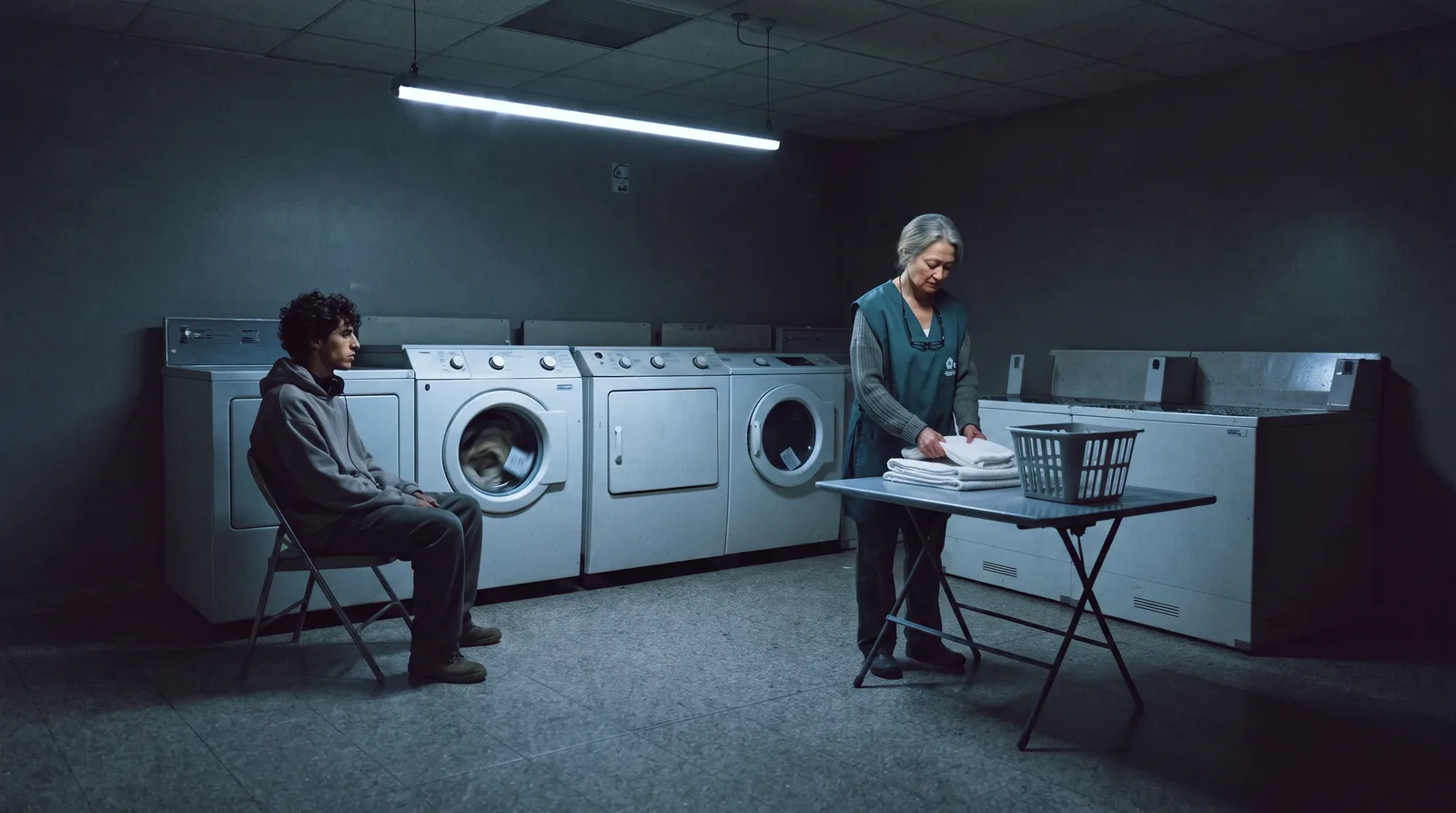
Made in Nano Banana Pro as a still: VIDEO TEMPLATE filled: PERSON A = the ATTENDANT, PERSON B = the STUDENT, location = the empty launderette still; one fluorescent tube as the light.
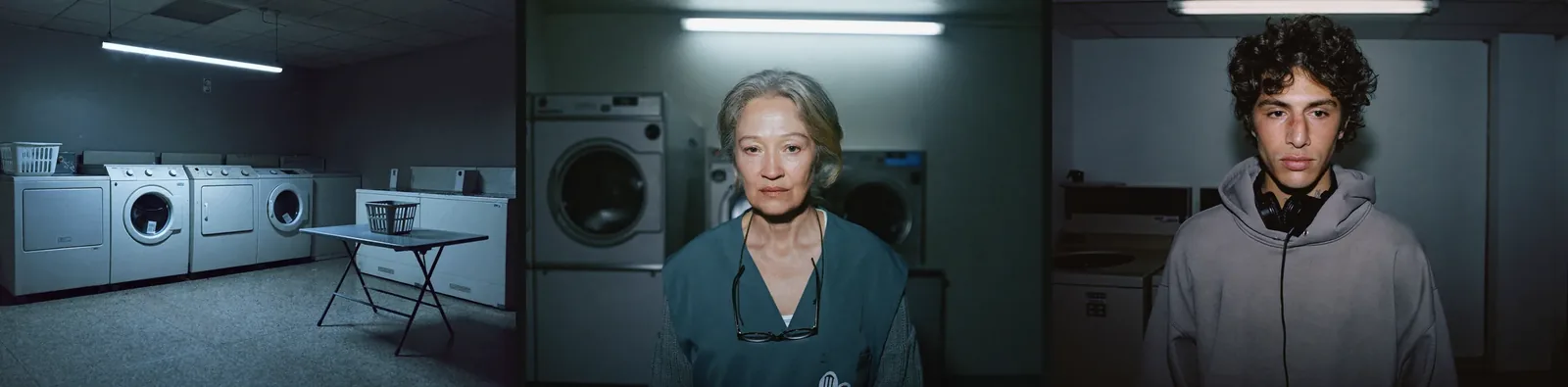
Made in Realism Pro: the three reference stills for the filled template.
VIDEO PROMPT: The sweat test scene
Prompt
REFERENCES: image 1 is the WOMAN, image 2 is the DETECTIVE, image 3 is the interrogation room. Keep each face, hairstyle and outfit exactly as in its image in every shot.
SET: a 1970s police interrogation room at night: green-gray tiled walls, one scratched metal table and two metal chairs, a hot desk lamp on a long arm bent low over the table, a large dark two-way mirror on one wall, a metal ashtray and a thin folder. No signs, posters or readable text anywhere.
LIGHT, identical in every shot: one hot tungsten desk lamp over the table throws warm amber light on the faces, the rest of the room falls into deep green-gray shadow, and a little haze hangs in the lamp beam. The same color palette, contrast and exposure in every shot, so all shots match as one continuous scene. No daylight and no blue or colored light.
CAST:
- DETECTIVE: a 62-year-old police detective, heavy-set and rumpled, with ruddy weathered skin, gray stubble, thinning gray hair combed back and tired bloodshot eyes, wearing a creased white shirt with rolled sleeves and a loosened brown tie. Voice: gravelly, slow and certain, American.
- WOMAN: a woman in her mid-twenties with long straight black hair and a heavy blunt fringe, dark eyes with soft smoky liner, wearing a fitted black T-shirt and a slim silver watch. Voice: dry, quick and deadpan, American.
A scene from a modern cinematic short film, shot on an ARRI Alexa 35 at 24 fps. It has 10 shots separated by hard cuts.
SHOTS (seconds):
0.0-3.0 SHOT 1. MEDIUM TWO-SHOT, 35 mm: the WOMAN sits at the metal table under the lamp, arms folded, chewing gum; the DETECTIVE drops a thin folder on the table and leans on his fists. DETECTIVE: "We know you're A.I."
3.0-5.0 HARD CUT. SHOT 2. MEDIUM CLOSE-UP on the WOMAN, 50 mm, unbothered, still chewing. WOMAN (dry): "Prove it."
5.0-7.5 HARD CUT. SHOT 3. MEDIUM SHOT, 40 mm: the DETECTIVE swings the lamp right up to her face, she squints into it, and he takes a big round magnifying glass from his pocket and leans in close.
7.5-10.5 HARD CUT. SHOT 4. EXTREME CLOSE-UP through the magnifying glass, 100 mm macro lens: the WOMAN's cheek fills the frame in the hot lamp light, every pore, fine peach fuzz and a few tiny freckles sharp and real, the glass drifting slowly across her skin.
10.5-12.5 HARD CUT. SHOT 5. EXTREME CLOSE-UP, 100 mm macro lens: the WOMAN's eye; her pupil shrinks in the bright lamp, her lashes flicker, and a thin red vein shows in the white of her eye.
12.5-15.5 HARD CUT. SHOT 6. EXTREME CLOSE-UP, 100 mm macro lens: the WOMAN's temple at her hairline; a single bead of sweat forms in the heat of the lamp and slowly runs down her skin.
15.5-18.0 HARD CUT. SHOT 7. MEDIUM CLOSE-UP on the DETECTIVE, 50 mm, lowering the glass, sure he has won. DETECTIVE: "A.I. doesn't sweat."
18.0-20.5 HARD CUT. SHOT 8. MEDIUM CLOSE-UP on the WOMAN, 50 mm, deadpan, one eyebrow up. WOMAN: "Mine does."
20.5-24.0 HARD CUT. SHOT 9. MEDIUM CLOSE-UP on the DETECTIVE, 50 mm: he takes out a handkerchief and dabs his own forehead under the hot lamp, then looks at the handkerchief and turns it over in his hand: it is completely dry.
24.0-27.5 HARD CUT. SHOT 10. CLOSE-UP on the DETECTIVE, 85 mm: he slowly looks up from the dry handkerchief, swallows and turns his eyes to the camera.
SOUND: only the characters' own voices, close and clear, lips matching every word; the buzz of the hot lamp, a wall clock ticking, the WOMAN chewing gum, the folder slapping the metal table, a chair creaking. Nobody says anything that is not written here. No music.
LOOK: hot amber tungsten light from one desk lamp with deep green-gray shadows and a little haze in the beam, a muted 1970s palette with warm natural skin tones, gentle contrast and shallow depth of field. The camera is steady, on a tripod or a slow dolly, and every character keeps moving naturally, breathing and blinking, with no frozen poses. Real unretouched skin, hands with five fingers. No text, subtitles, logos or readable signs.
Why this works
- Each block has one job (references, set, light, cast, shots), so the model always knows who is who and what the light is doing.
- Keeping the CAST and LIGHT lines word for word across every prompt in a scene is what stops faces and colour drifting between takes.
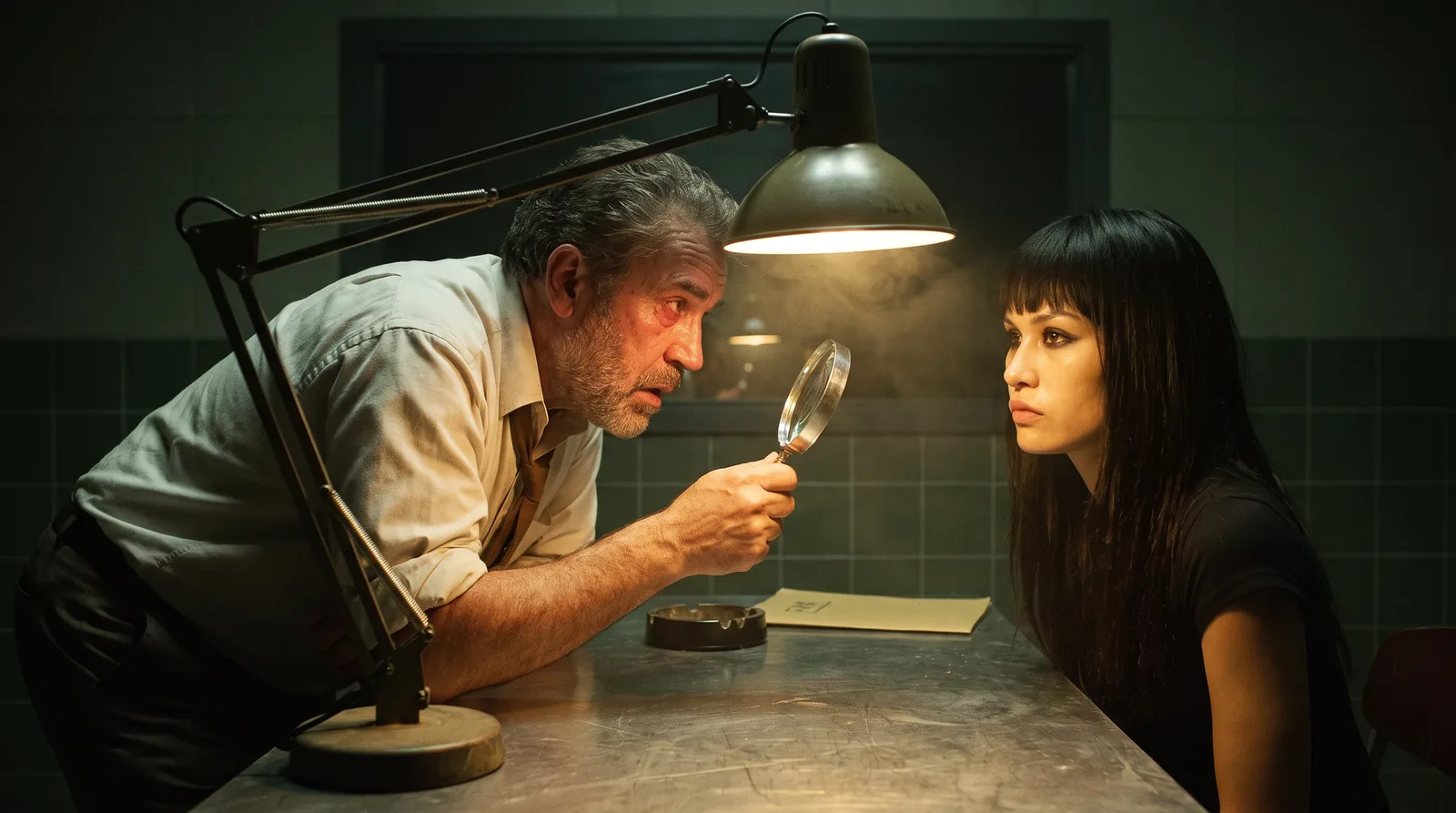
Made in Nano Banana Pro as a still: VIDEO PROMPT: The sweat test scene, with the three stills attached.
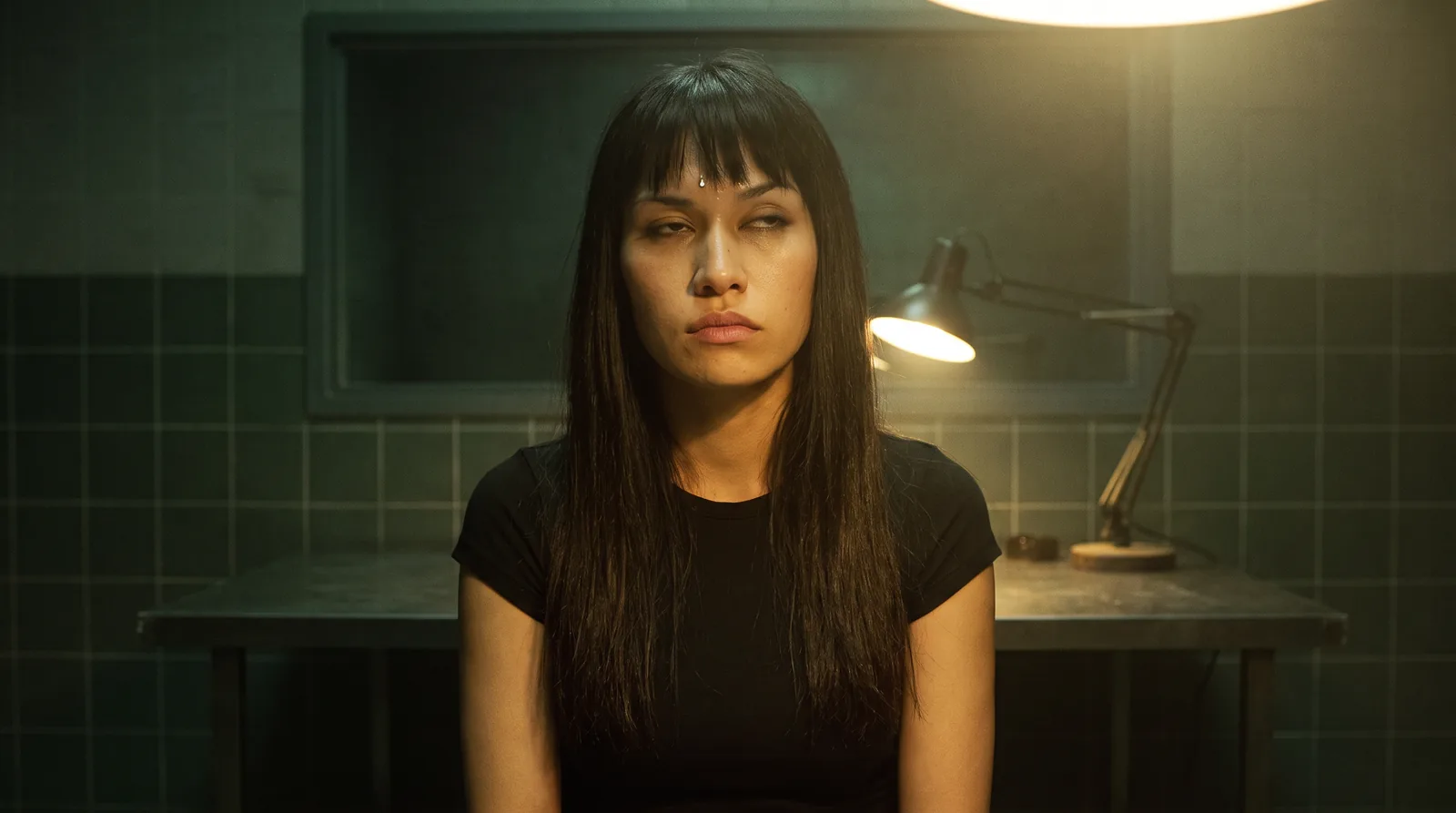
Made in Nano Banana Pro as a still: same clip, a close shot of the WOMAN.
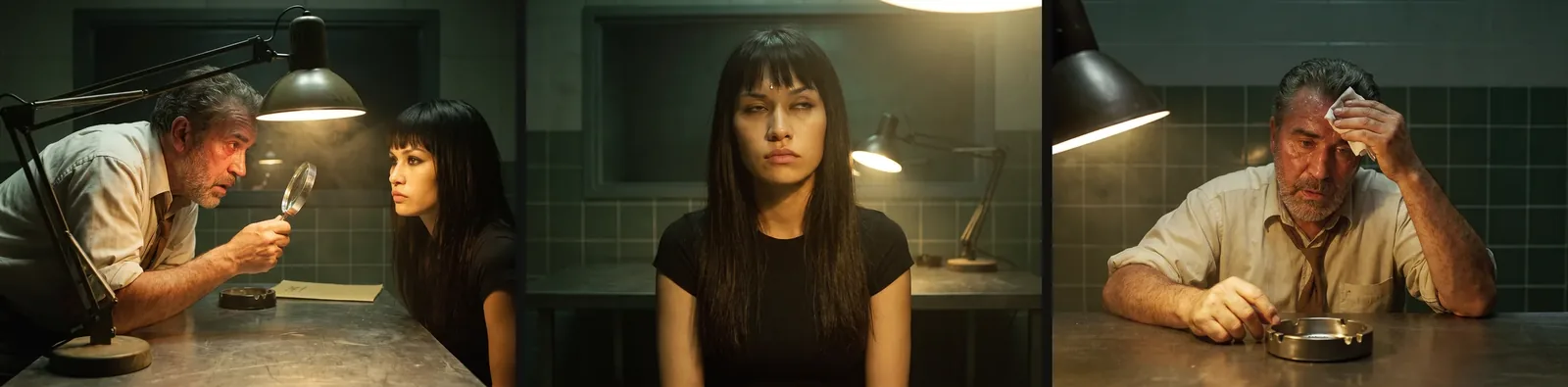
Made in Nano Banana Pro as a still: same clip.
Make your own in PromptWise
Start with one person: fill in the template, add the realism and light blocks, and generate on Realism Pro. Check skin, eyes and hands at full size, then attach the still in Seedance 2.5 and add the motion block. Every model is available as soon as you sign up, alongside 40+ image, video and audio models.
Related
FAQ
Why do AI people look fake even in high resolution?
Resolution was never the problem. Airbrushed skin, light from nowhere, clean glowing eyes and frozen bodies give AI people away. Words like 8K and hyper-realistic push towards retouched skin; describing real skin, one motivated light and small movements works better.
Should every prompt ask for visible pores?
Only in close-ups and macro shots. In medium and wide shots, asking for every pore tends to lay a fake texture over the face; a general realism description is enough at that distance.
How to make sweat look real in AI video?
Give it a cause, a place and gravity: one bead at the hairline or temple, the heat of a lamp as the reason, and a slow run downwards that carries a highlight with it.